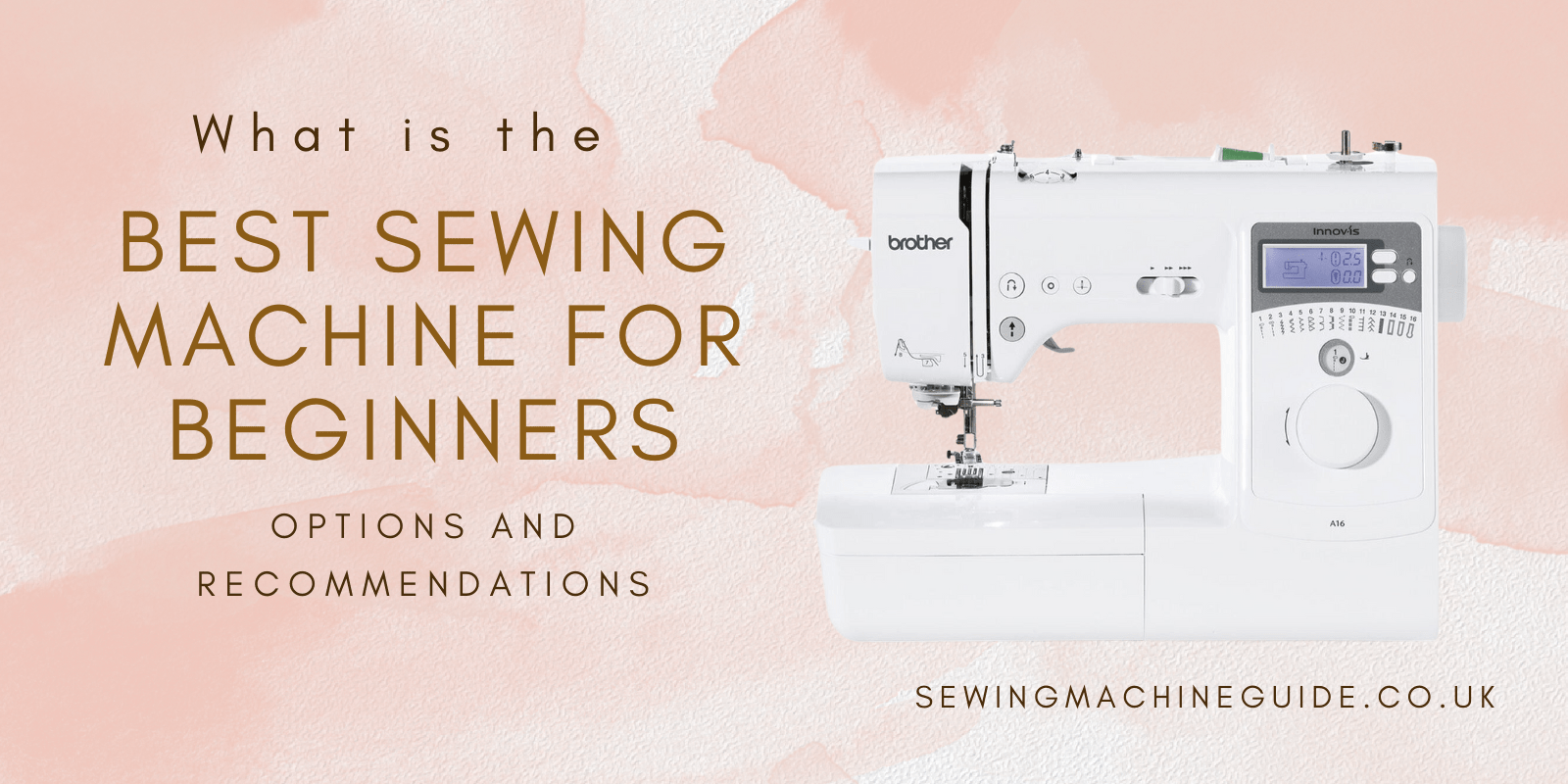
What Is The Best Sewing Machine For Beginners?
Learning to sew is exciting, but choosing your first sewing machine can feel like a lot. Brands, stitch counts, and price ranges pile up quickly, and it is not always obvious which model will actually help you learn.
The good news is that modern beginner machines are simpler to live with than they used to be. Many include a useful set of built-in stitches, an automatic buttonhole, and setup features that keep early projects moving. Whether you are buying for yourself or shopping for someone else, look for a machine that is reliable, easy to thread, and worth keeping as your skills grow.
This guide covers what matters on a first machine, from stitch selection and bobbin type to threading and presser feet. Then we share five beginner-friendly picks from trusted brands like Brother, Janome, and Singer. These models balance simplicity, build quality, and room to grow without overwhelming a new sewist.



Beginner Sewing Machine Buyers Guide
Buying your first sewing machine gets much easier once you know a few basics. Use the points below to narrow the field before you compare models.
What Type of Sewing Projects Will You Do?
Start with the projects you expect to sew most often. Different work calls for different strengths:
- Dressmaking or alterations: A simple, versatile machine with solid straight and zigzag stitches is usually enough for hemming, patching, and garment adjustments.
- Embroidery or free-motion work: Look for a machine that lets you lower the feed dogs so you can move the fabric freely. See our full guide to the Best Embroidery Machines.
- Quilting: If you plan to sew quilts or multiple layers, a quilting-friendly or wider-throat machine gives you more room and control. Compare options in our Best Quilting Sewing Machines guide.
- Upholstery or denim: Thick fabrics need a stronger motor and a more rigid frame. See our guide to the Best Heavy-Duty Sewing Machines.
If clothing is your main goal, it is also worth reading our guide to Overlockers (Sergers). They finish seams cleanly and give homemade garments a more polished look.
Mechanical vs Computerized Sewing Machines
One of the first choices is mechanical or computerized. Both can work well for beginners. The better fit depends on how you like to sew and how much you want to grow into later.
Mechanical sewing machines are a strong first step for many people. You adjust stitch length, width, and tension with dials and levers, so the controls stay visible and predictable. With fewer electronic parts, they are often simpler to maintain and easy to understand while you learn.
Computerized sewing machines add a digital display, more automatic settings, and a wider stitch selection. Many include speed control, a start/stop button, and programmable patterns. That extra help is useful if you want one machine that can still feel capable a few years from now.
If you want the simplest learning curve, start mechanical. If you prefer guided controls and more stitch options from day one, a computerized model can be worth the higher price. Check current pricing in the product boxes below before you decide.
How Many Stitches Do You Really Need?
It is easy to get distracted by machines that advertise 100+ stitches. Most beginners rely on a short list.
A good first machine should include:
- Straight stitch
- Zigzag stitch
- A stretch stitch for knits
- A buttonhole function
Around 15 to 25 built-in stitches is plenty for most beginner projects. Once the basics feel natural, decorative and specialty stitches become more useful.
1-Step vs. 4-Step Buttonholes
Buttonholes usually come in two styles:
- 1-Step Buttonhole: Mostly automatic. The machine handles the sequence for you, which is ideal when you are new.
- 4-Step Buttonhole: Needs more manual positioning between steps. It is still workable, but it takes more practice to keep results even.
If you are a complete beginner and your budget allows, choose a machine with a 1-step buttonhole.
Bobbin Type: Front or Top Loading?
Bobbins generally load in one of two ways:
- Top-loading (drop-in) bobbins sit under a clear cover, are easy to insert, and usually jam less. You can also see when thread is running low.
- Front-loading bobbins are more traditional and still appear on older or budget models.
For most beginners, a top-loading bobbin is the more forgiving choice.
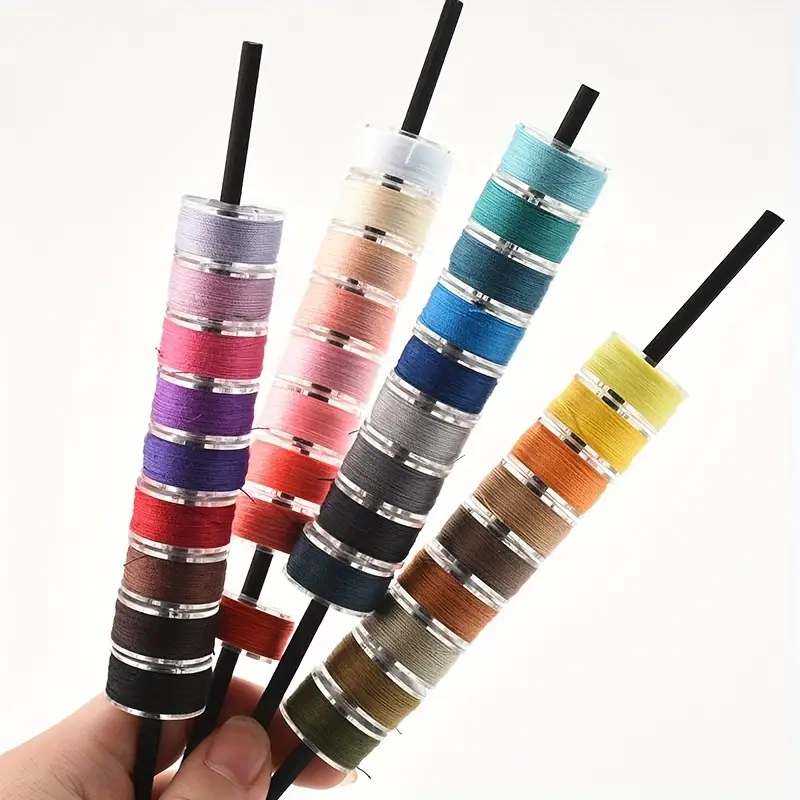
Built-In Needle Threader
Threading a needle can slow a new sewist down fast.
Many newer machines include a built-in needle threader, and when it works well it saves real time.
On some budget models the threader is finicky, so skim recent user feedback before you rely on that feature alone.
Presser Feet & Attachments
Presser feet hold fabric steady while you sew, and different feet make zippers, hems, and buttonholes easier.
Most beginner machines include about 3 to 6 feet, which is enough to start. Snap-on feet are quicker to change than screw-on styles.
You can always add specialty feet later when a project needs them.
Accessories & Extras
Included accessories can change the real value of a machine. Look for:
- Spare bobbins and needles
- Seam ripper and screwdriver
- Dust cover or carry bag
- Instructional DVD or online tutorials
Brother and Janome often package beginner-friendly guides that make first setup less stressful.
Top 5 Best Sewing Machines for Beginners
Once you know what to look for, these five models are strong places to start. Each one keeps the learning curve manageable while still offering enough capability for real projects.
1. Brother SH40 Computerized Sewing Machine
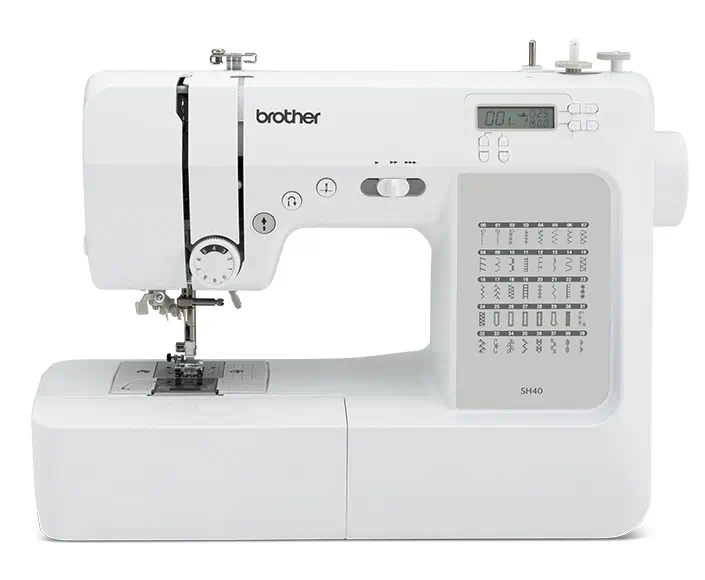
The Brother SH40 is our first recommendation for beginners who want more than bare-bones basics. It is not the cheapest machine here, but it is a solid Brother starter that should last well beyond your first projects. If you would rather buy once and grow into the machine, this is a smart pick.
The SH40 updates the widely popular Brother FS40, which sat on our beginner list for a long time.
You get 40 stitches listed on the front of the machine, five styles of 1-step buttonholes, and a top speed of 750 stitches per minute. Adjustable speed, a start/stop button, a built-in needle threader, and a drop-in bobbin keep setup and everyday use straightforward.
At about 4.5 kg, it is compact enough to carry to a class without feeling flimsy. Adjustable stitch length and width are useful early on, and the maximum stitch width of 7 mm and stitch length of 5 mm cover a wide range of beginner work.
With strong customer feedback and an accessible price point (check the current offer below), the SH40 is an easy recommendation for a beginner who wants room to grow.
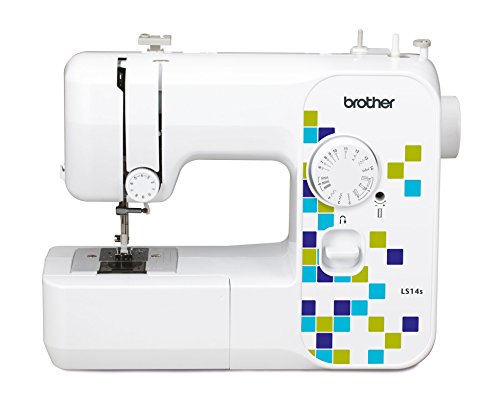
2. Brother LS14 Sewing Machine
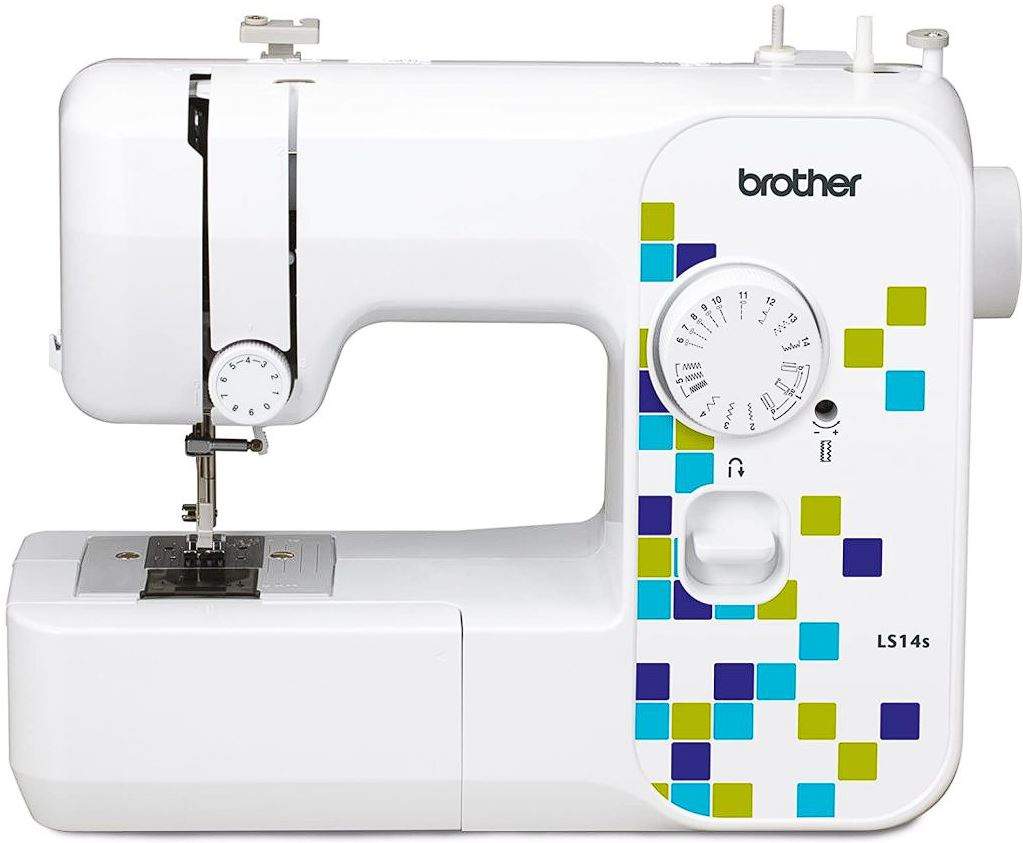
The Brother LS14 is a long-standing favorite for new sewists and shows up often in beginner roundups. It sits in a similar budget range to the Singer 1507 sewing machine, so it is a strong option when you want to keep cost down.
You get 14 stitches and a 4-step buttonhole. That is enough variety for mending, simple garments, and early home projects without burying you in options.
The bobbin is top loading and see-through, so you can check remaining thread at a glance.
A metal chassis gives it more durability than many ultra-cheap plastic machines. The 50W motor also has enough power for everyday fabrics and at least a few layers of denim when you take it slowly.
For beginners, the appeal is the balance: affordable, simple, and useful without feeling sparse. Customer feedback has stayed strong over a large number of reviews. Read the full review of the Brother LS14 here.
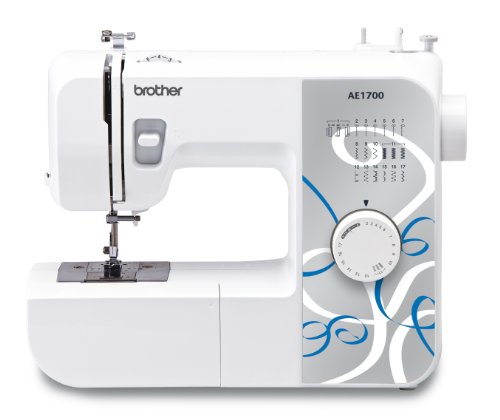
3. Brother AE1700 Sewing Machine
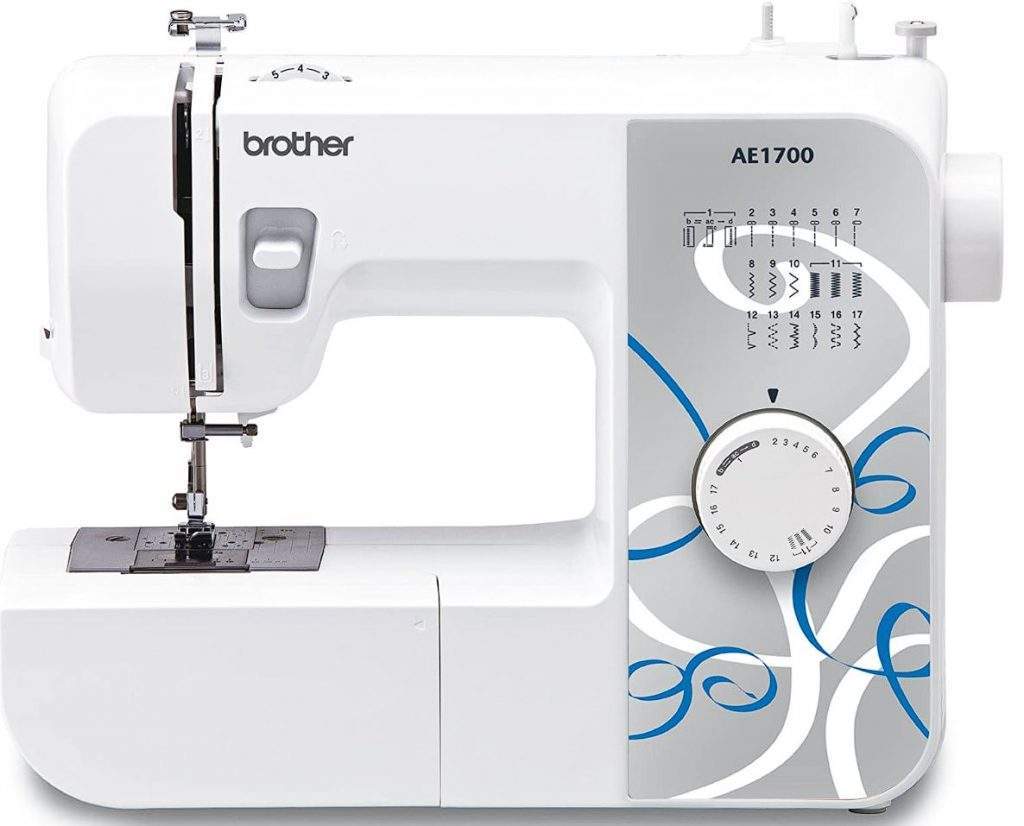
Another strong Brother option is the Brother AE1700. We still see it as one of the best-value beginner machines in its price band. Expect it to land near the first two models on this list, while offering a bit more day-to-day usefulness. Always check the current price before buying.
It includes 17 stitches (straight, zigzag, and decorative), which gives a new sewist room to experiment. The 4-step buttonhole handles different button sizes once you learn the sequence.
A drop-in bobbin and automatic bobbin winder keep setup simple and remove the need to wind the bobbin by hand.
Built-in LED lighting is another practical plus. Older bulb lighting can tint thread color; LED light makes matching and stitching easier.
You also get a reverse lever for locking stitches, plus a twin needle and zipper foot for common beginner tasks.
If you want a practical all-rounder near the lower end of the market, the AE1700 is hard to beat. It is portable, functional, and simple enough for first projects. Many packages include an instructional sewing DVD, and the manual is available online here. For a deeper look, read: Brother AE1700 Sewing Machine My Full In-Depth Review.
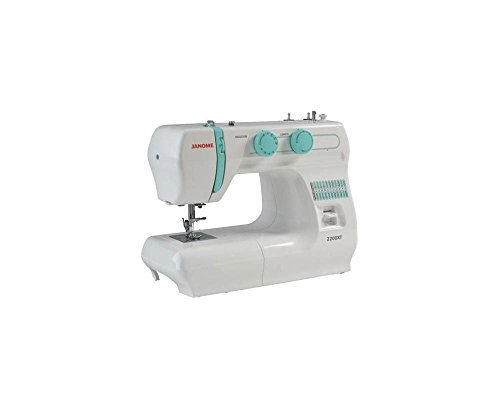
4. Janome 2200XT Sewing Machine
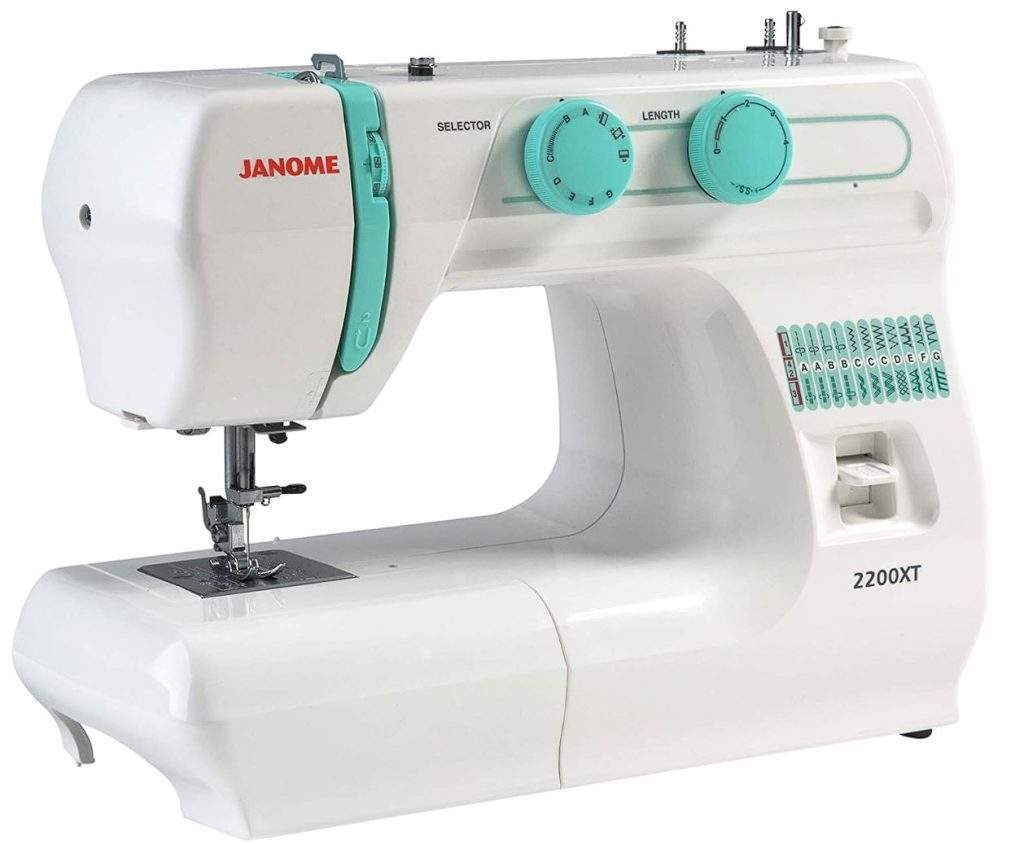
Janome has a strong reputation for sturdy, long-lasting machines, and the Janome 2200XT is one of their better entry options for beginners and returning sewists alike.
With 22 stitches and a practical mix of options, it handles slightly more complex projects than the more basic models above. The 4-step buttonhole is straightforward once you have practiced it a few times.
Maximum stitch width is 4 mm and maximum stitch length is 5 mm, which covers most everyday sewing.
You get six presser feet: standard, hemming, overcasting, satin stitch, sliding buttonhole, and zipper. That is a useful starter kit. Extra feet are widely available if you expand into specialty work later. A full set of presser feet on Amazon is often an affordable way to expand your kit. Check current pricing before you buy.
Overall, the 2200XT offers solid quality at a reasonable price, with consistently strong customer feedback. Full review: My Review Of The Janome 2200XT.
5. Singer Talent 3321 Sewing Machine
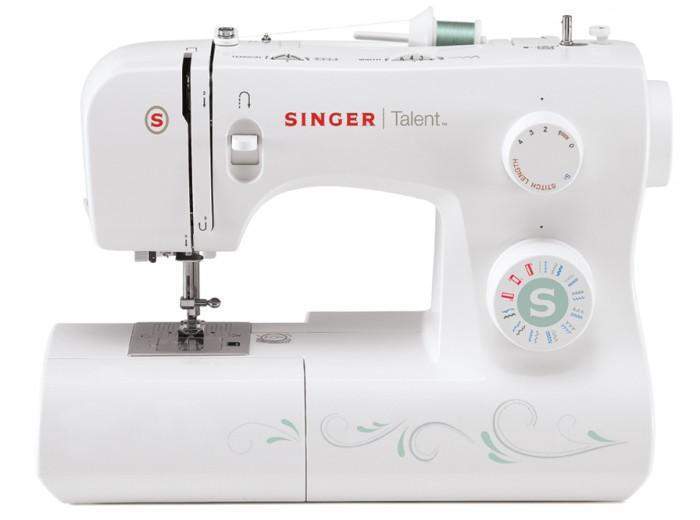
The Talent 3321 from Singer earns its place for strong customer feedback among beginner models and a familiar brand with a long track record. It is a practical first machine if you want a recognizable name and a feature set that stays manageable.
You get 21 stitches, which is plenty for a first machine, plus a 4-step buttonhole. A built-in needle threader helps with setup, and adjustable stitch length and width give you more control as projects get more involved.
Final Words
A good beginner sewing machine does not need every feature under the sun. It needs clear controls, reliable basic stitches, and enough durability to stay useful while you learn. The five models above cover different budgets and preferences, from simple mechanical starters to computerized options with more growth room.
If none of these quite match your projects or budget, browse our individual sewing machine reviews for more detail on specific models. And if you have questions after reading this guide, leave a comment below and we will help where we can.