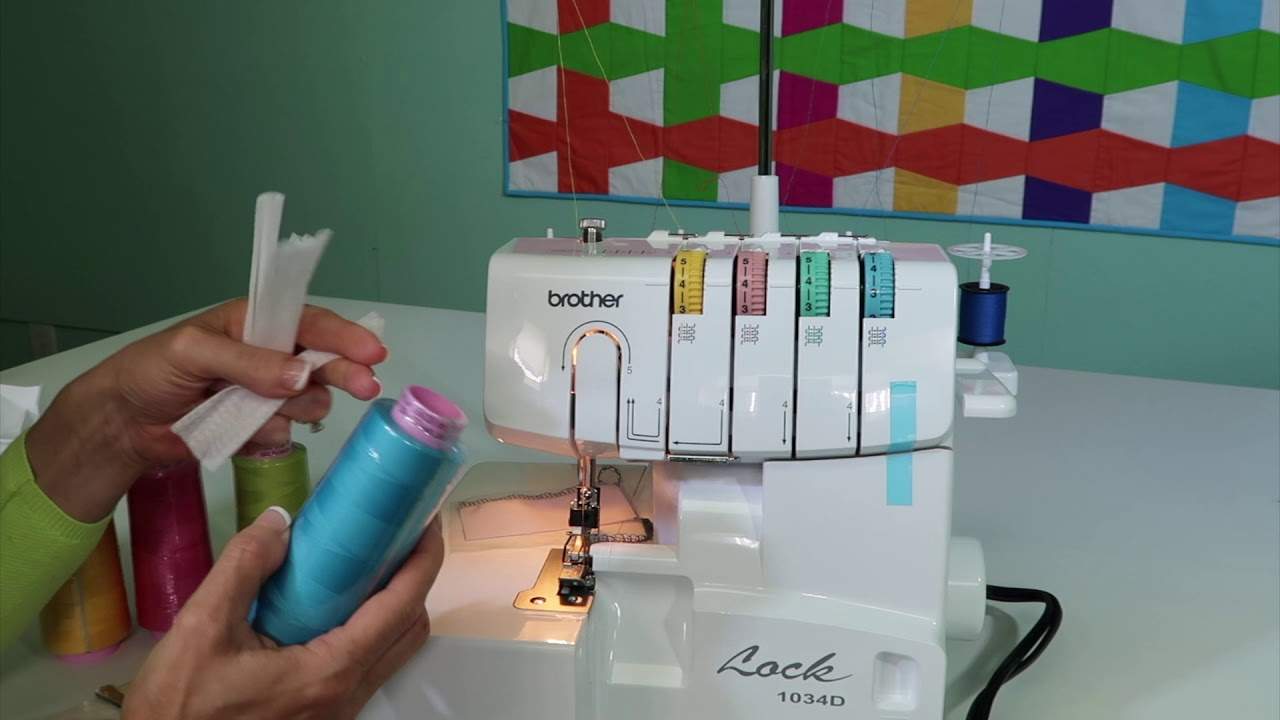
Best Overlocker For A Beginner
Plenty of sewists go years without touching an overlocker (serger). That is understandable. Overlockers look technical, threading has a learning curve, and the controls are different from a regular sewing machine. The upside is worth learning if you sew garments or knits: cleaner edges, faster finishing, and seams that stretch with the fabric. The good news is that several beginner-friendly models make that first step much easier.
If you are ready to buy your first overlocker, the jargon can still feel thick. This guide focuses on what matters for beginners: realistic budget, must-have features, and three approachable models that balance price with useful capability.


How Much Should I Spend?
Overlockers range widely in price. Premium models can climb into high four-figure territory (and some go well beyond). For a beginner, that spend rarely makes sense unless you already know you will serge constantly and want air threading or advanced stitch options from day one.
Buying the absolute cheapest machine is also a poor plan. Ultra-budget units often cut corners on materials, omit differential feed or clear threading guides, and can sour the whole experience. A better approach is a proven entry or lower mid-range model with color-coded threading and solid stitch quality. For background on what an overlocker does, see What is an Overlocker.
As a soft guide, many good beginner overlockers sit in a lower consumer price band, with more feature-rich mid-range machines a step above that. Exact street prices change often, so use the product boxes for current numbers. More important than the sticker is whether the machine does the stitches and fabric work you need.
For a broader buying overview, see our Overlocker Guide.
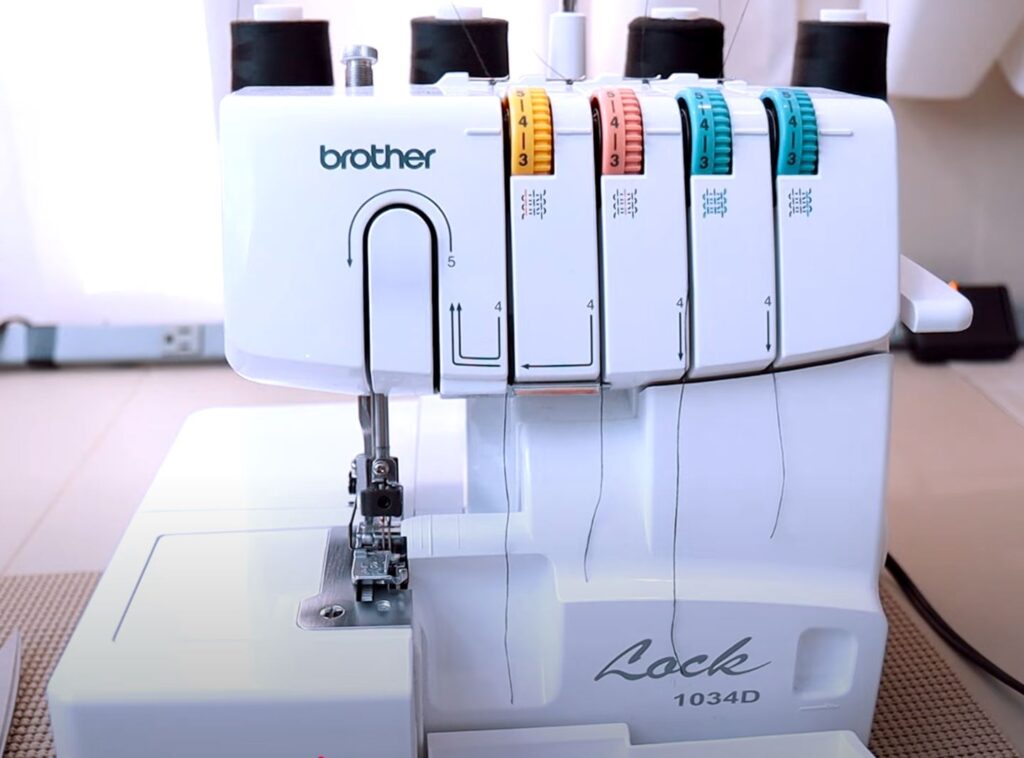
Features To Look For in an Overlocker
Short on time? These are the beginner features that matter most.
Adjustable Differential Feed
Differential feed helps you sew knits without wavy seams and lets you create gathers or lettuce edges when you want them. Most modern overlockers include it, but the cheapest models sometimes skip it. Check before you buy, especially if stretch fabrics are on your project list.
Adjustable Stitch Width And Length
Adjustable stitch length and width give you more control across fabric weights and finishes. The available range varies by model, so compare the numbers if you sew everything from chiffon to sweatshirt fleece.
Foot Pedal For Speed Control
Like sewing machines, overlockers use a foot pedal for speed control. Beginners should practice slowly. Serger knives cut as you sew, so controlled speed matters while you learn seam allowances and fabric handling.
Color Coded Threading
Color-coded threading paths make setup far less confusing. Even experienced sewists rethread carefully. As a beginner, prioritize clear color guides and, when possible, assisted lower-looper threading systems.
Easy To Remove Presser Foot
Snap-on presser feet save time when you change techniques or need clearer access while threading. It is a small feature that reduces friction in daily use.
Free Arm/Flat Bed
A free-arm to flat-bed conversion is useful for cuffs, sleeves, and other tubular sewing. Not essential for every sewist, but helpful if garment finishing is your main goal.
LED Light
A built-in LED light improves visibility around the presser foot and knives. Not every entry model includes one, so check the specifications if your sewing space is dim.
Top 3 – Best Overlocker For Beginners
These three models are approachable entry overlockers with useful stitch options and generally strong value. Compare current prices in the product boxes, since promotions change often.
Brother M343D Overlocker
When beginners shop for overlockers, the Brother brand shows up often, and for good reason. The Brother M343D is a popular starter serger that balances affordability with practical features.
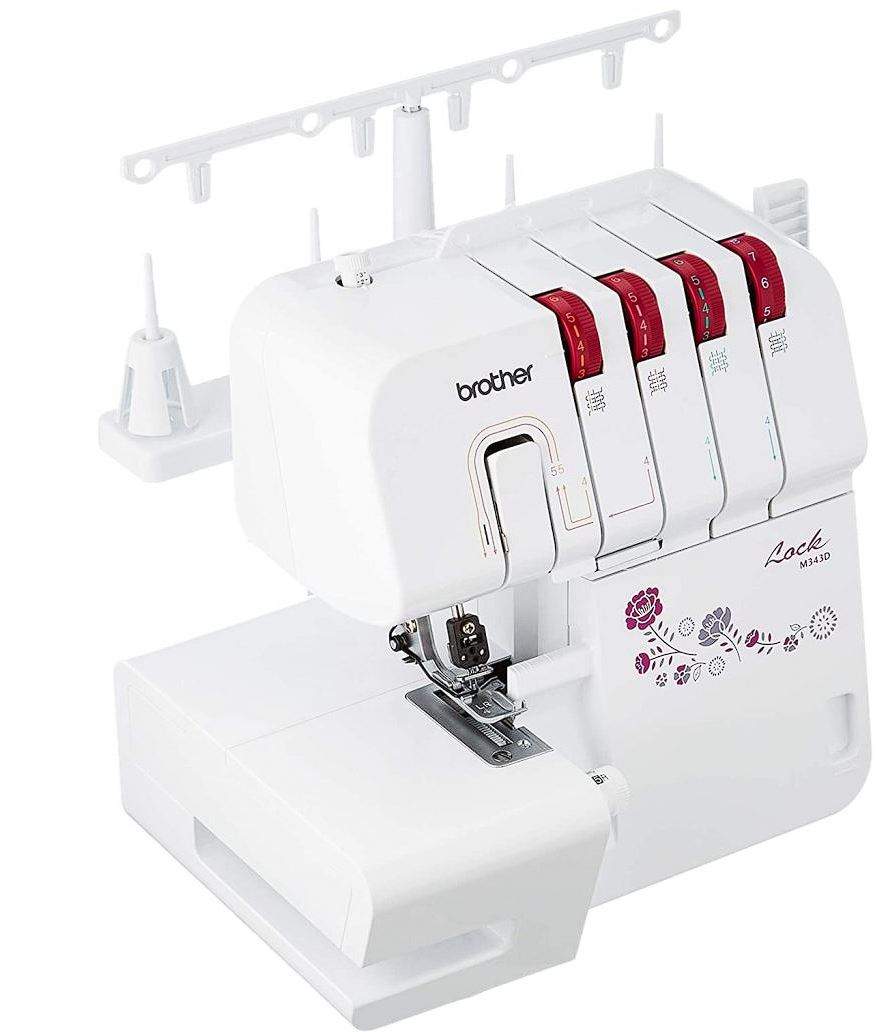
The M343D is a 3- or 4-thread overlocker with cut-and-sew overlock stitches. It includes Brother’s F.A.S.T. lower looper threading system and easy lay-in threading paths. Differential feed helps with seaming across fabric types, and a quick-release stitch finger supports rolled hemming. A free-arm/flat-bed convertible surface helps with cuffs and sleeves.
Kits typically include an accessory pack and instructional media to help you get started. Noise can be noticeable in use, which is a common tradeoff on affordable sergers. Overall, it remains one of the safest first overlocker buys.
Janome 9300DX Overlocker
Janome has a strong reputation for both sewing machines and overlockers. The Janome 9300DX is the priciest of these three beginner picks, but it earns that place with solid build quality and a capable feature set for an entry-to-mid machine.
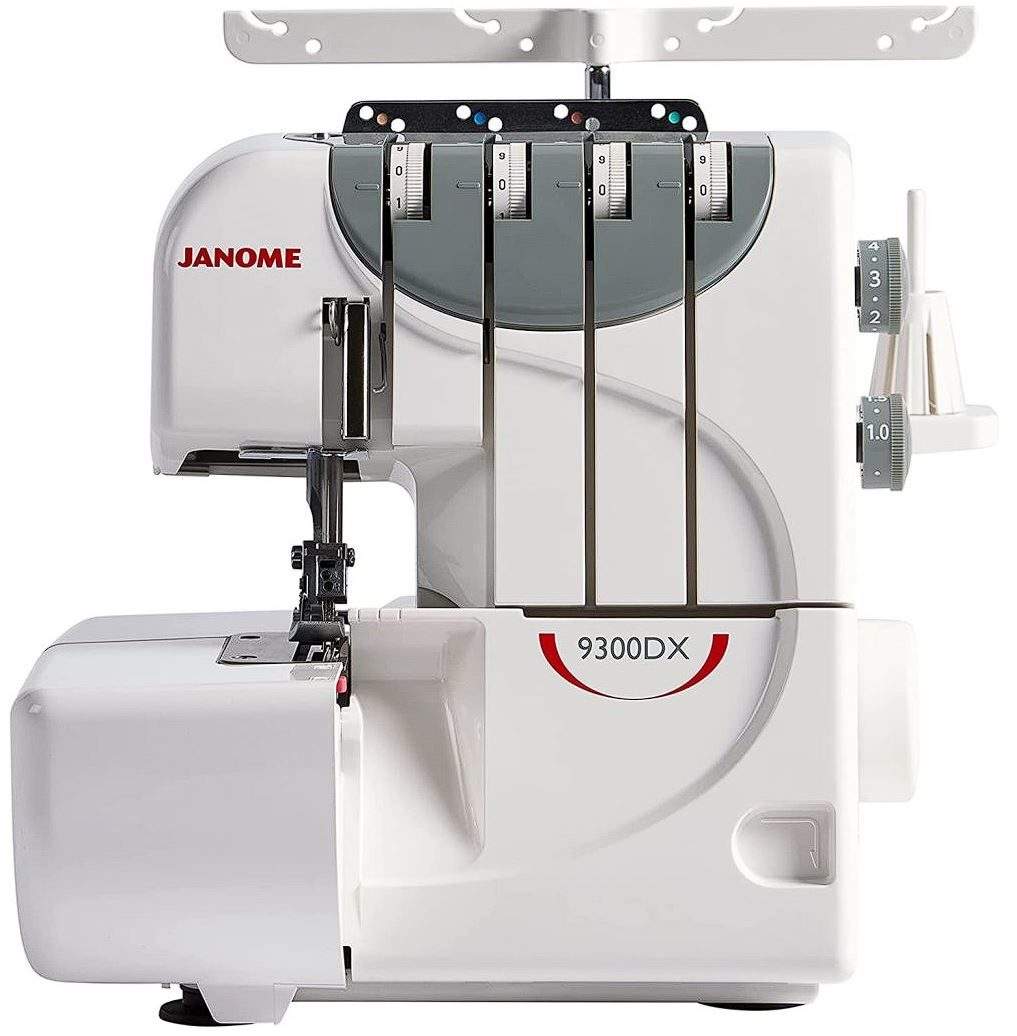
It offers 3- or 4-thread operation with professional-looking stitch quality for home use. Rolled hemming is supported, and a differential feed ratio around 0.5 to 2.2 covers a wide fabric range. Lay-in threading and color-coded paths keep rethreading more manageable than on many older sergers.
Standout points include an extra-high presser foot for thicker layers and relatively quiet operation compared with some budget models. If you want a beginner machine you are less likely to outgrow quickly, the 9300DX is the stronger long-term pick in this trio.


Brother 2104D Overlocker
The Brother 2104D is another frequent beginner recommendation, with strong customer feedback and a feature set that punches above many budget expectations. Availability can vary by market, so confirm the current listing and local support before you buy.
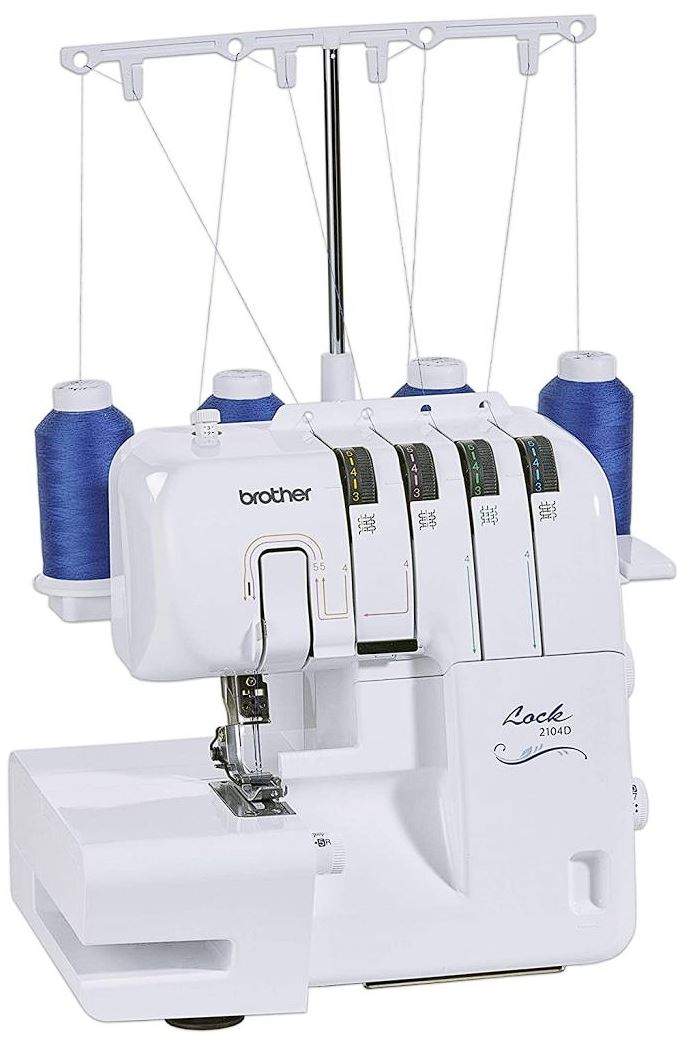
This 3- or 4-thread overlocker includes Brother‘s F.A.S.T. lower looper threading system and beginner-friendly color-coded threading. Stitch options are generous for the class (often listed around 22 stitch options, depending on how combinations are counted). Typical accessories include snap-on feet, a foot pedal, soft cover, needles, tweezers, lint brush, and spool caps.
Final Words
Buying a first overlocker is less about collecting every feature and more about clear threading, differential feed, and stitches you will actually use. The three models above are proven beginner paths: Brother for approachable value, Janome when you want a sturdier step-up, and the 2104D when you want a feature-rich Brother entry option.
If you want a wider shortlist beyond beginner models, see our top 10 overlocker reviews.
Questions about choosing an overlocker? Leave a comment below.
Please can you tell me what kind of thread I would need to use an interlocker? Does it need to be especially fine or will ordinary bobbins do?
Many thanks from Irene Sadler