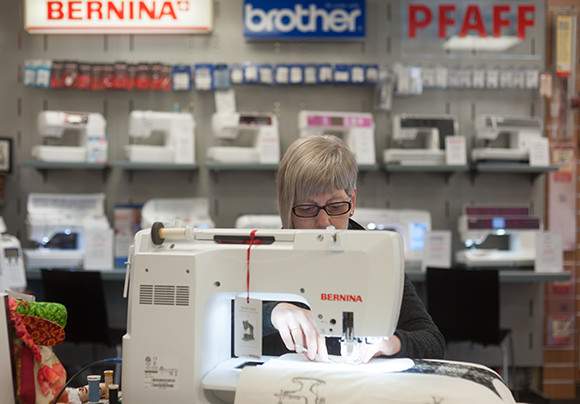
If you are new to sewing, the number of sewing machine brands can feel overwhelming. Choosing a brand with a long track record of reliable home machines lowers the odds of ending up with a poorly supported no-name model. Reputation is not everything, but service networks, parts availability, and consistent quality control matter when you plan to sew for years.
This guide covers major sewing machine brands you will see again and again in stores and reviews. No two models are identical, and each brand has strengths. Use this as a map of who makes what well, then match a specific machine to your projects, skill level, and budget.
What Are The Best Sewing Machine Brands?
Some brand names are familiar even to people who do not sew. Those companies usually have decades of design experience, dealer networks, and a wide range from beginner mechanicals to advanced computerized machines. New brands occasionally release a strong model, but long-term support and consistent quality are harder to prove without that history.
There is no single “best” brand for every sewist. Bernina may be ideal for someone who wants premium Swiss engineering, while Brother or Singer may be the smarter buy for a first machine. The brands below have earned lasting reputations across different price points and specialties.
Bernina Sewing Machines
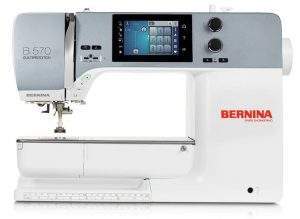
Bernina dates to 1893 and has a long history of advancing home sewing technology. Founded in Steckborn, Switzerland, by Karl Friedrich Gegauf, the brand remains associated with high-end build quality and precision.
Bernina is widely regarded as a premium brand. It is also one of the few companies that still manufactures higher-end machines in its home country. That quality and heritage come at a price: Bernina machines are among the most expensive options for home sewists. You pay for engineering, stitch quality, and a strong dealer ecosystem.
Bernina opened a factory in Thailand in 1990. Lower-end Bernina models have often been associated with that production, while higher-end machines have remained more closely tied to Swiss manufacturing. Exact production details can change over time, so check current model information if country of origin matters to you.
For much of its history, leadership stayed within the founding family line (Karl Friedrich Gegauf, Fritz Gegauf, Odette Gegauf-Ueltschi, and Hanspeter Ueltschi). That continuity is part of the brand story sewists associate with Bernina.
Contributions To Sewing
- Invented an early hemstitch sewing machine capable of sewing around 100 stitches per minute
- In 1945 released an early portable zigzag machine that helped popularize portable zigzag sewing
- In 1986 launched the 1130, an important step toward fully automated home sewing features
- Developed the Bernina Stitch Regulator (BSR), which helps keep free-motion stitch length more consistent by responding to how fast you move the fabric
Singer
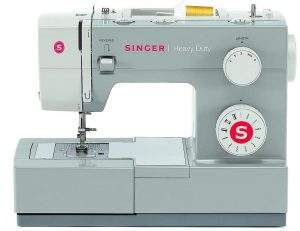
The Singer brand (historically I. M. Singer & Co., founded in 1851 by Isaac Merritt Singer) is one of the most recognizable names in sewing. For a long stretch of history, Singer was the dominant sewing machine manufacturer worldwide.
Although it is an American company in origin, Singer operated a major factory in Glasgow as early as 1867. At its peak, that plant employed around 16,000 people and was one of the largest sewing machine factories in the world. Production later shifted, and the Glasgow factory closed in 1980 as manufacturing moved to other locations, including China.
Vintage Singer machines remain highly collectible. Modern Singer models are stronger in the beginner and intermediate market than in the ultra-premium segment. That does not make them poor machines. It means Singer’s current strength is accessible, practical sewing rather than competing directly with top-tier Bernina or high-end Pfaff quilting setups.
Ownership note
Singer is part of SVP Worldwide, which also includes Husqvarna Viking. Ownership structures change over time; Pfaff was previously grouped with SVP and later moved under different ownership. For buyers, the practical takeaway is that these brands share corporate history but still maintain separate model lines and identities.
Contributions To Sewing
- For a long period, the largest sewing machine manufacturer in the world
- Helped popularize home sewing machines on a global scale through mass manufacturing and retail reach
- In 2017, launched the SINGER Sewing Assistant App to support stitch selection and learning
Husqvarna Viking
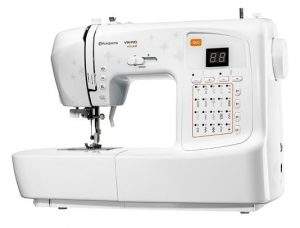
Husqvarna Viking is a Swedish brand that began making sewing machines in 1872 in Huskvarna. It has a long history across both mechanical and computerized machines and is known for solid construction and relatively quiet operation on many models.
Husqvarna Viking updates its lineup regularly and tends to incorporate newer sewing technology into mid and upper machines. The brand is especially visible in the “smart”/computerized segment, with strong options for sewists who want features without jumping straight to the most expensive Swiss machines.
Like Singer, Husqvarna Viking is part of SVP Worldwide. For more history and model context, see Husqvarna Viking Sewing Machines.
Contributions To Sewing
- Long-running maker of highly regarded computerized home sewing machines
Elna Sewing Machines
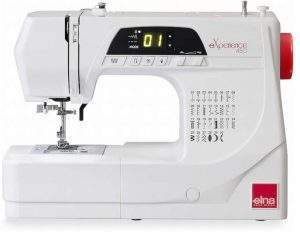
Elna is a Swiss brand with a strong reputation for well-designed sewing machines and overlockers. It is not usually positioned as a Bernina alternative at the absolute top of the market, but many sewists rate Elna highly for design, usability, and stitch quality.
The brand grew rapidly from the 1940s onward, and its machines became common in both home and light production settings. In the US, older Elna machines are often nicknamed “Blue Tops” for their distinctive blue finish.
Popular modern examples have included models such as the Elna Excellence 680 in higher feature ranges and approachable machines like the Elna Explore 240 for beginners. Availability changes by region, so check current lineups. Elna is owned by Janome today.
More background: Elna Sewing Machines.
Contributions To Sewing
- Introduced the Air Electronic foot control concept, using air-based control that stayed cooler and quieter than traditional metal foot controllers of its era
Janome Sewing Machines
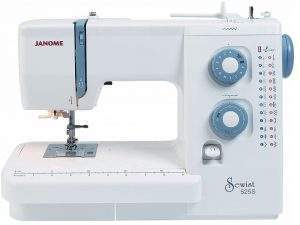
Janome is a Japanese brand with roots going back to 1921. It manufactures in multiple countries (including Taiwan and Thailand at various points in its history) and sells widely worldwide.
Janome has a strong innovation record. In 1971 it was among the first to bring a programmable computerized sewing machine to the home market. The brand covers beginners through advanced sewists, with approachable mechanicals such as the Janome 525S and more advanced Memory Craft and Atelier machines higher up the range.
For many sewists, Janome hits a sweet spot: dependable stitch quality, broad model choice, and better long-term ownership odds than unknown budget brands. More detail: Janome Sewing Machines.
Contributions To Sewing
- Early leader in computerized sewing machines for home use
- Helped bring long-arm style quilting capability to home sewists with machines such as the Memory Craft 6500P (an important earlier model in that category)
PFAFF Sewing Machines
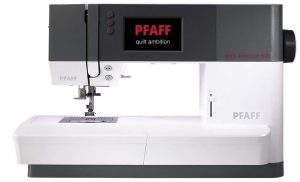
PFAFF was founded in 1862 by Georg Michael Pfaff in Kaiserslautern, Germany. Early machines included work for leather and shoemaking, which hints at the brand’s long association with sturdy sewing.
Ownership has changed several times. Pfaff was previously part of SVP Worldwide alongside Singer and Husqvarna Viking, then later moved under different ownership structures. Brand ownership can shift again, so treat corporate details as historical context rather than the main buying reason.
Pfaff machines are often feature-rich and can feel complex for absolute beginners. They tend to suit intermediate and advanced sewists, with a particularly strong following among quilters. Learn more: Pfaff Sewing Machines.
Contributions To Sewing
- Long industrial and upholstery heritage, including specialized machines recognized in furniture and bedding manufacturing contexts
Brother Sewing Machines
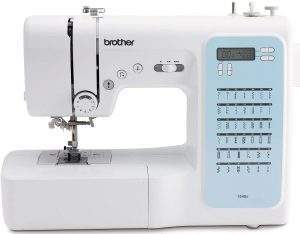
Most people know Brother as an electronics company, but it started as a sewing machine business in Japan in 1908. Sewing machines remain a major part of the brand, and Brother sells a large volume of home machines worldwide.
Today Brother is especially strong in entry-level and mid-range computerized machines, including many beginner-friendly sewing and embroidery models. Manufacturing is commonly associated with facilities in Asia (including China, Vietnam, and Thailand across different product lines). Specs can look similar across nearby models, so compare features carefully rather than assuming a higher model number is always a big upgrade.
Quality is generally good for the price, particularly for beginners and hobby embroidery. Brother is not usually the answer if you want the most premium mechanical feel money can buy, but it is often the practical answer for value and ease of use. More info: Brother Sewing Machines.
Juki Sewing Machines
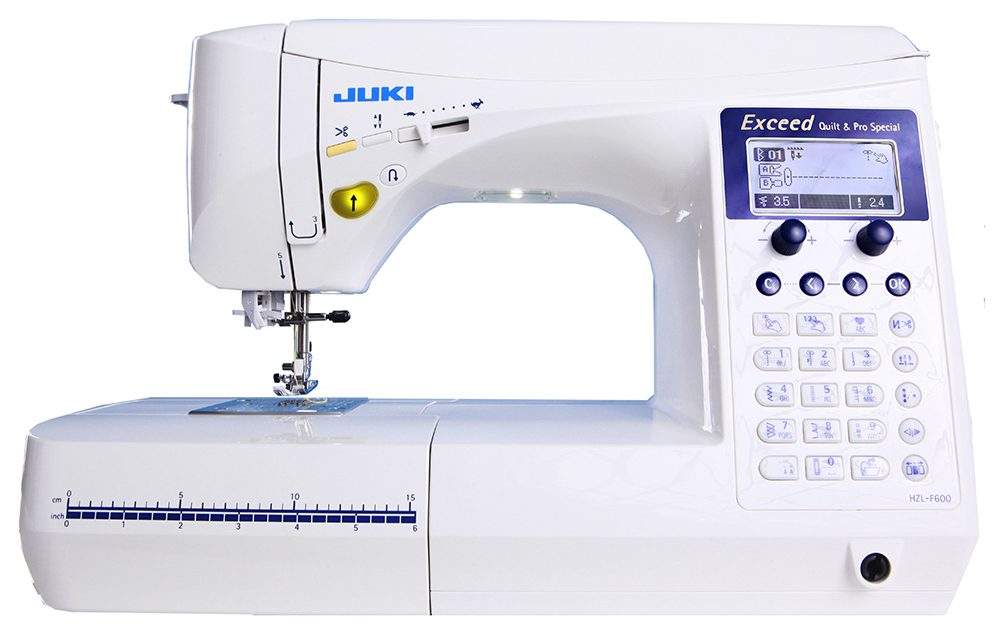
Juki is best known today for industrial and professional sewing equipment, but the brand also makes home machines. Juki launched home sewing machines in 1945 and expanded into industrial machines in 1953. Over time, the company became a major force in factory sewing through motor technology, automation, and production-focused design.
For home sewists, Juki often appeals when you want a machine with an industrial-inspired straight-stitch feel or strong quilting/sewing performance. Brand history and model lists: Juki Sewing Machines.
Contributions To Sewing
- Major advances in industrial automation, including early automatic thread trimming developments
- Broader industry leadership in productivity-focused sewing technology that later influenced home and semi-professional machines
To Conclude
The best sewing machine brand depends on what you sew and how much support you want. Bernina and higher Pfaff/Husqvarna Viking models suit sewists chasing premium features. Janome and Elna cover a wide quality range with strong reputations. Brother and Singer remain practical starting points for many beginners. Juki is worth a look if industrial-inspired performance appeals to you.
For more buying help by machine type, browse the guides section. New to sewing? Start with how to choose a beginner sewing machine.