Brand overview
Singer is one of the most recognizable sewing machine brands in the world, known for durable, widely available machines that cover beginner through more advanced needs. From its mid-19th century beginnings to today’s broad consumer lineup, Singer remains a common first choice for home sewing, repairs, quilting, and embroidery. This page covers a short brand history, what Singer is known for, and major product lines, with links to our reviews where we have covered a model.
Brief history
Isaac Merritt Singer founded the Singer Sewing Machine Company in 1851. With a patented design that was practical and accessible, Singer helped change how households made and mended clothing. The company’s first machine, the Singer Model No. 1, was aimed at family use and helped establish sewing machines as everyday tools rather than specialized equipment.
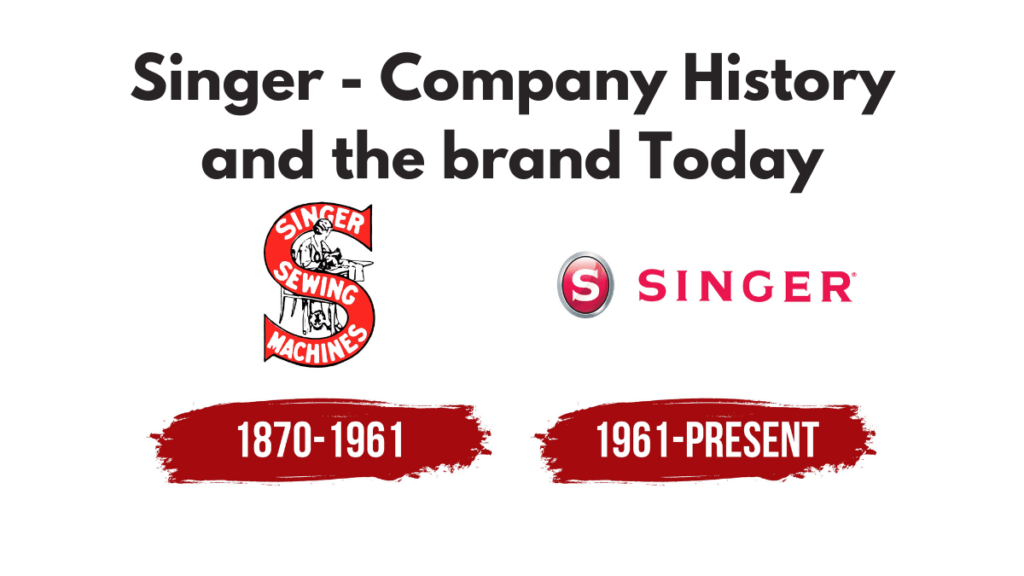
As the company grew, it introduced new models to match changing sewing needs and became closely associated with home sewing worldwide. Today Singer is owned by SVP Worldwide, which Platinum Equity acquired in July 2021 from Ares. SVP also owns Husqvarna Viking and Pfaff. According to company information, SVP accounts for more than one-third of consumer sewing machines sold globally, with products available in over 180 countries through dealers, mass retailers, specialty shops, online retailers, distributors, and company-operated retail stores. Manufacturing facilities are in Asia and Latin America, with R&D centers (including a facility in Sweden), a software development center in the UK, and regional distribution.
What the brand is known for
Singer is known for broad retail availability and series that target clear use cases: simple beginner machines, heavy-duty models for thicker fabrics, computerized machines with more stitches, embroidery options, overlockers, and quilting-friendly setups. Many sewists start on a Singer because the controls are familiar and replacement parts and accessories are easy to find. The brand also has a deep vintage history, including portable classics still used by quilters today.
Types of sewing machines
Singer’s consumer range typically includes these categories:
- Mechanical sewing machines: Traditional, dial-based machines that are straightforward and durable, often a good fit for beginners.
- Electronic sewing machines: A step up from basic mechanical models, with more stitch options and convenience features for regular sewing.
- Computerized sewing machines: Machines with larger stitch libraries, automatic features, and (on some models) pattern or design transfer options.
- Embroidery sewing machines: Dedicated embroidery machines or sewing-and-embroidery hybrids for decorative stitched designs.
- Overlockers (sergers): Machines that finish fabric edges to reduce fraying and give seams a cleaner look.
- Quilting sewing machines: Models with a wider workspace and features that support piecing and quilting.
- Heavy-duty sewing machines: Stronger motors and frames built for thicker fabrics and tougher projects.
Product lines and machine categories
Singer’s US consumer lineup runs from basic mechanical models to computerized machines with more advanced features. Linked names go to our reviews. Lineups change, availability varies by market, and some models may be older or harder to find new.
Mechanical and entry-level sewing machines
Dial-based and straightforward machines for beginners, everyday repairs, and thicker fabrics. Heavy Duty models use a metal frame and stronger motor for denim and other heavy materials.
Tradition and Simple
- Singer Tradition 2259
- Singer Tradition 2277
- Singer Tradition 2282
- Singer Simple 3221
- Singer Simple 3223
- Singer Simple 3232
Heavy Duty
- Singer Heavy Duty 4411
- Singer Heavy Duty 4423
- Singer Heavy Duty 4432
- Singer Heavy Duty 4452
Start, Promise, and standalone entry models
- Singer Start 1304
- Singer Start 1234
- Singer Promise 1409
- Singer Promise 1412
- Singer 1507
Computerized sewing machines
LCD or button-selected stitch libraries, automatic features, and more versatility for fashion sewing and general projects. Confidence and Quantum/Stylist are the main mid to upper consumer lines in the US.
- Singer Confidence 7640
- Singer Stylist 7258
- Singer Quantum Stylist 9960
- Singer Quantum Stylist 9985
- Singer One
- Singer One Plus
- Singer Professional 9100
Overlockers and coverstitch machines
Sergers for finishing seams and constructing knit garments. Coverstitch-capable professional models sit at the higher end of the home lineup.
- Singer S14-78 Serger
- Singer Professional 14T968DC
Older and discontinued models
Earlier Confidence models have largely been superseded by newer machines such as the 7640. Featherweight machines are classic portable models still used by many quilters, but they are not current series machines.
- Singer Confidence 7465 (discontinued)
- Singer Confidence 7463 (discontinued)
- Singer Confidence Quilter 7469Q (discontinued)
- Singer Featherweight 221
- Singer Featherweight 222