Choosing the best sewing machine
Choosing a sewing machine can feel harder than it should. There are many types, price levels, and feature sets, and the “best” model depends on what you will actually sew. If you are buying for someone else, start by asking what projects they have in mind. A few clear questions will narrow the field quickly.
Complete Beginner or advanced sewing machine user?
First, match the machine to experience level. A complete beginner usually needs clear controls and fewer distractions. Someone with more sewing time behind them may want more stitches, better speed control, or specialized features. The range is wide: simple mechanical machines on one end, and advanced computerized models with screens and large stitch libraries on the other.
It also helps to think about growth. A very basic machine is easier to learn on, but a fast learner can outgrow limited stitch options and accessories. A good middle path is a beginner-friendly machine with room for common next steps (buttonholes, a few stretch stitches, and solid build quality). For a focused shortlist, see our guide: Best Sewing Machine For Beginners.
What will the sewing machine be used for?
Primary use should guide the purchase. Machines are not equally good at every task.
If you mostly mend clothes or sew garments, look for a free arm. Removing the accessory tray lets you sew around sleeves, pant legs, and other tubular pieces more easily. For crafts and quilting, stitch variety, throat space, and useful presser feet matter more. For upholstery or thick materials, prioritize a heavy-duty machine with a stronger motor and sturdier frame. We cover that category here: The Best Heavy Duty Sewing Machines.
What type of Sewing Machine
There are several main machine types. Prices and features vary widely, so compare the category first, then the individual model.
Mechanical Sewing Machines
Entry-level and midrange machines controlled with dials and levers. They are often the best starting point for beginners and a practical choice for everyday sewing.
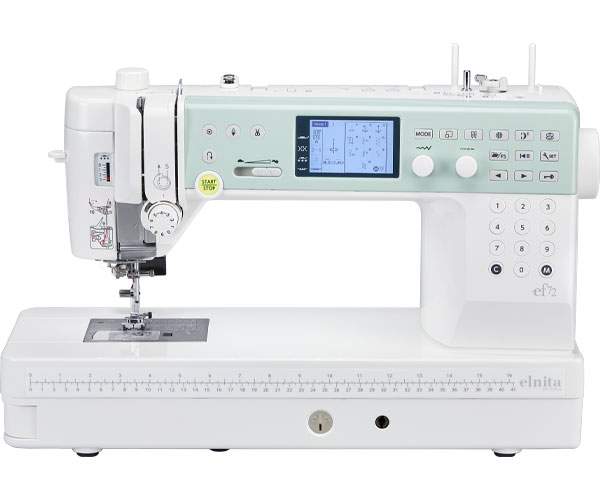
Computerized Sewing Machines
More advanced machines with digital controls, broader stitch selections, and convenience features such as speed sliders, start/stop buttons, and stitch memory on many models.
Embroidery Machines
Machines designed for automatic embroidery designs, either as dedicated embroidery units or combination sewing/embroidery models. Start here: A Complete Guide To The Best Embroidery Machine.
Overlockers and Sergers
Specialty machines that sew a seam, finish the edge, and trim excess fabric in one pass. They are especially useful for garment sewing and knit fabrics. See our recommendations: What Are The Best Overlockers.
Coverstitch Machines
Machines that sew parallel rows of straight stitches on the right side of the fabric while covering the raw hem on the reverse. They are commonly used for hemming knits and activewear.
If you want a deeper overview of machine types, we also have a fuller guide covering the main categories in more detail.
How often will you sew?
Occasional mending and small projects can be handled well by a basic, reliable model. If you sew often or take on larger projects, it is worth paying for better build quality, more useful stitches, and a stronger accessory kit. Frequent use exposes weak frames and limited features quickly.
Should you get a heavy or light sewing machine?
Weight matters more than people expect. If you store the machine between sessions or carry it to classes, a lighter model is easier to live with. If it will stay on a table, a heavier machine is often more stable at higher speeds. Very light machines can vibrate more when you push the pace.
What sewing machine brand has the best quality?
Because sewing machines are a longer-term purchase, brand reputation and service support matter. Higher prices often reflect better components and longevity, but that is not automatic. Read model-specific reviews rather than buying on brand name alone. Popular options include Janome, Brother, Pfaff, Bernina, Bernette, and Husqvarna Viking. For a broader brand overview, start here.
Do sewing machines have a warranty?
Most machines bought from authorized sellers include a manufacturer warranty covering factory defects. Exact terms vary by brand, model, and region. Many makers also offer optional extended coverage for an extra fee. Always confirm current warranty details with the seller before purchase.
- Janome commonly offers around 2 years parts and labor (confirm for your model).
- Brother often offers about 3 years on many machines (terms vary).
- Singer commonly offers a 2-year manufacturer’s warranty on many models.
- Bernina warranties are often around 2 years, depending on model and market.
- Husqvarna Viking coverage commonly includes a shorter full-service period plus longer electronics coverage (check the current policy for your machine).
Sewing machine selector tool
To make the decision easier, we also have a sewing machine finder tool. Answer a few short questions and it will suggest machines that fit your projects, experience level, and priorities.