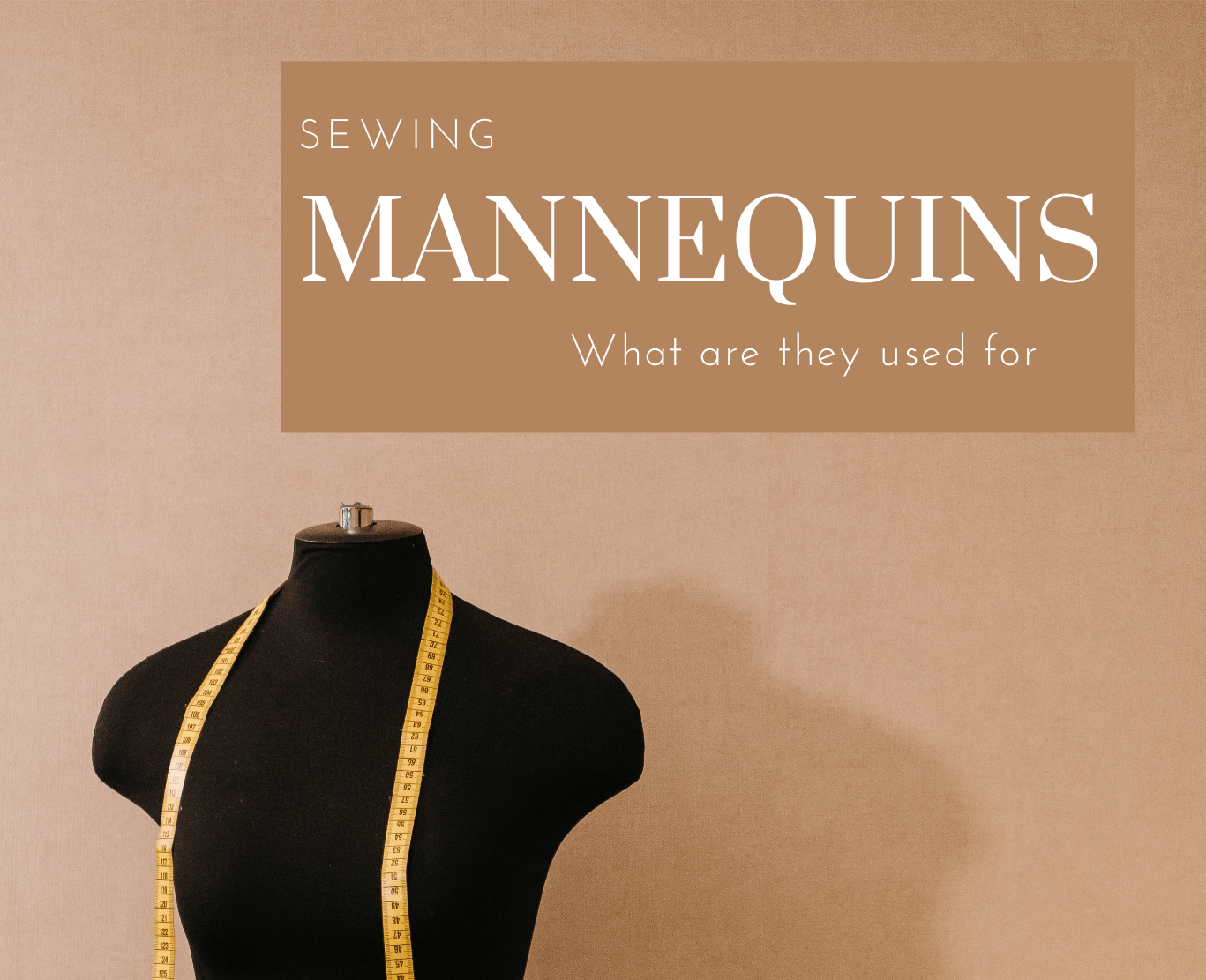
A sewing mannequin, also called a dress form or tailor’s dummy, is a life-sized body form used by dressmakers, tailors, and fashion designers to fit and shape garments. Unlike hard retail display mannequins, sewing forms are usually built for dressmaking, with a pinnable surface and, on many models, adjustable measurements that can better match different body types.
Whether you are draping fabric, checking the fit of a new design, or displaying a finished piece, a good dress form is one of the most practical tools in a sewing room. This guide explains the difference between sewing mannequins and dress forms, the main types available, and how to choose one that fits your work, whether you sew as a hobby or for clients.
What are sewing mannequins called?
They go by many names: mannequin, manikin, dress form, tailor’s dummy, or simply dummy. The function is similar across those terms, with small differences in construction and intended use. In sewing and fashion work, “dress form” is the clearest term for a pinnable form used to fit and construct garments, and both hobby sewists and professional designers commonly use it.
What is the difference between mannequin and dress form?
People often use the words interchangeably, but they usually point to different tools. A dress form typically represents a torso, often with hips and the upper leg area, and is built with a firm core plus foam or fabric covering that you can pin into. A mannequin more often means a stylized display form for retail. Display mannequins usually have a hard shell, may show a full body, and are meant for showing clothes rather than constructing them. There are also partial display forms for hands, heads, and other accessories.
What is a sewing mannequin used for?
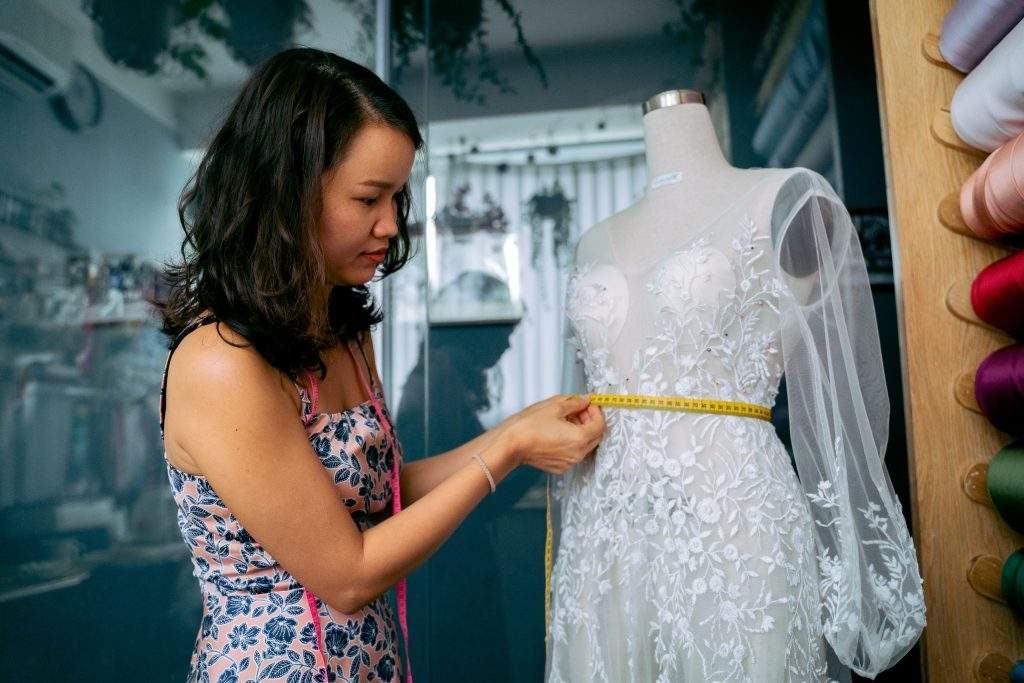
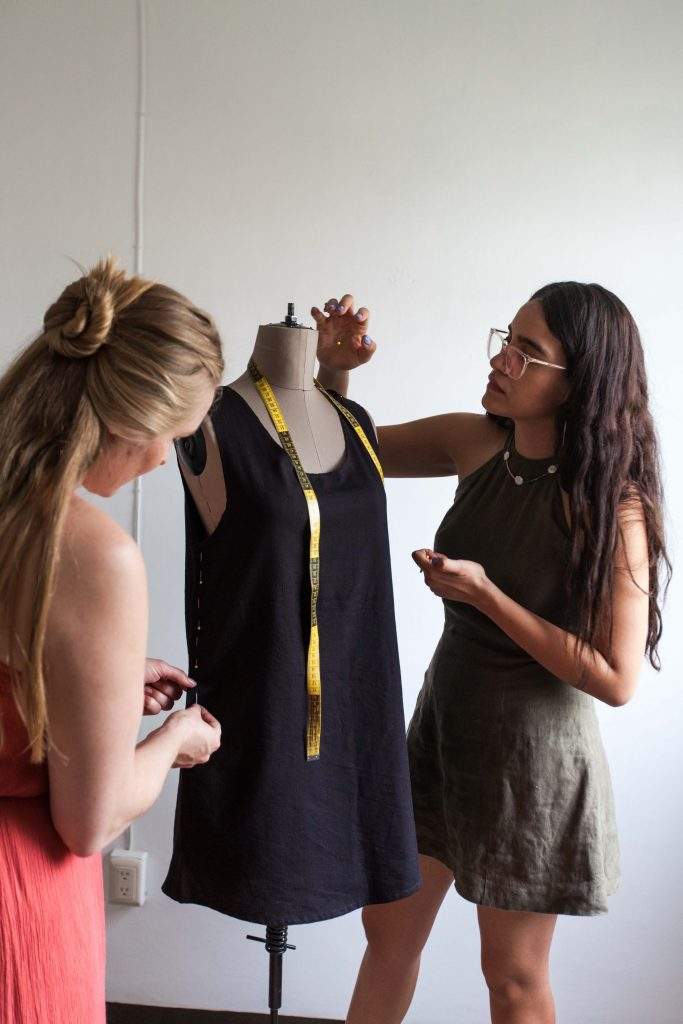
Sewing mannequins help with fitting, draping, pattern development, and checking proportions as a garment takes shape. They reduce how often you need to try a piece on yourself, which is especially useful for backs, hems, and asymmetric designs. If you sew for other people and have an adjustable form, you can set key measurements closer to theirs and evaluate fit as you work. For product recommendations, see Five Best Dressmakers Dummies.
What to consider when buying a sewing mannequin
Start with how you will use the form. A display torso that looks fine for finished garments may frustrate you if you need to pin heavily or drape from scratch. Think through adjustability, portability, shape, and size before you buy, so the form matches your sewing rather than working against it.
Are there size-adjustable mannequins?
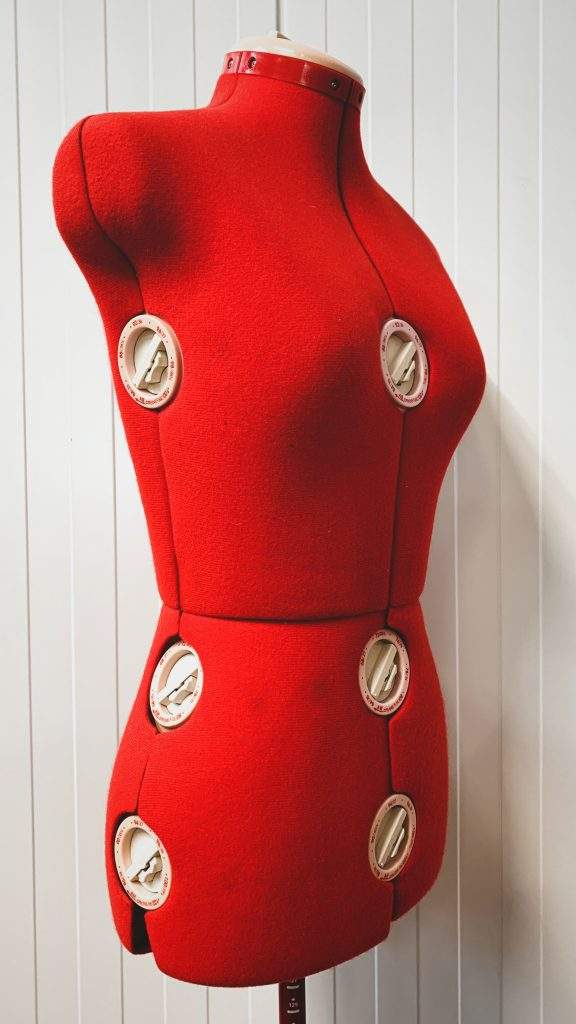
Yes. Many dress forms let you expand or reduce circumference at the bust, waist, and hips, and some also adjust torso length or height on the stand. That flexibility is useful if you sew for more than one body size or if your own measurements change. Adjustable forms are not infinitely flexible, though. Dial ranges have limits, and expanding panels can create gaps that make pinning at center front, side seams, or the waist harder.
Are there portable sewing mannequins?
Some forms move more easily than others, but few are truly convenient to haul around every day. Many home dress forms sit on a tripod base that is stable once placed, yet can be awkward to resettle after a move. Forms on fixed stands can feel sturdier for draping, but they are usually harder to relocate. If you need to shift the form often, look for a stable wheeled base and accept that you will still want a clear path and a level floor.
What shapes and sizes do sewing mannequins come in?
Sewing mannequins come in a wide size range, often described from XS to XL or by dress size, and in different body shapes. Getting the base size right matters because most forms only adjust within a limited band. A form that starts much larger or smaller than your target measurements may never match well, even if it is labeled adjustable. Bodies also vary in proportion, so a form that matches bust size may still miss waist-to-hip balance. Choose female, male, or more neutral forms based on the garments you make, and remember that “unisex” shapes can still lean toward one silhouette.
Types of Sewing Mannequins
Dress forms vary by construction, adjustability, and whether they include legs or arms. Decide on the intended use first: pinning and draping, fitting pants, professional pattern work, or display only. More mobile or adjustable forms are popular for home sewists, but they have tradeoffs compared with heavier professional forms. Below is a practical overview of the types you are most likely to consider.
Display dress form
These are the most basic sewing-adjacent forms. Many are pinnable enough for light work, but the proportions are often less useful for accurate fitting and draping. Entry-level display forms are widely available online and often cost under $100, though prices vary. They can work for hanging finished garments or occasional pinning, but they are a weak choice if fit accuracy is your main goal.
Adjustable Mannequins
The main advantage of an adjustable mannequin is flexibility. Many are lighter than professional forms, sit on a tripod base with height adjustment, and offer a more realistic body outline than hard display torsos. They usually cost less than professional studio forms. Some include a hem marker on the stand, and certain models can support pants or shorts better than torso-only forms.
The limitations matter just as much. Adjustable home forms are often less sturdy for heavy draping. Shoulders may not collapse for easy dressing. When you turn the dials, panels can separate and leave gaps at seams, which makes pinning at the waist, center front, and other key points harder. Adjustment ranges are also limited, so if your bust is much larger relative to your waist, you may not be able to expand one area enough without distorting another.
Bifurcated Mannequins
A bifurcated dress form includes legs as well as a torso. That makes it far more useful for fitting trousers, shorts, and other bifurcated garments. If you drape pants or check pant fit often, this style is worth the extra space and cost. Also decide whether you need arms. Removable or magnetic arms help with sleeve draping and pattern work, but they add expense and storage needs. Professional bifurcated forms tend to cost more than basic adjustable torsos, but the usefulness for pants fitting is hard to replace.
Custom Mannequins
A custom dress form, sometimes called a made-to-measure dressmakers dummy, is built to a specific set of measurements. Those measurements may come from a fitting, tape measurements you provide, or a body scan, depending on the maker. Custom forms are usually not adjustable in the same way dial forms are. They are a strong option if you mostly sew for one body and want a closer match than a mass-produced size can offer.
Professional Mannequins
Professional dress forms are built for repeated studio use. They typically have more accurate industry proportions, a range of fixed sizes, and a construction that supports pinning and draping: often a firm inner form with padding and a tightly woven outer cover. Useful features can include wheels, a cage-style base that helps with hemming, collapsible shoulders for easier dressing, and adjustable height. They cost more than display or basic adjustable forms, but the durability and pinning surface are better suited to serious garment construction. Students and designers who drape and fit often usually get more value from this category than from the cheapest display torso.
Display Mannequin
A display mannequin is meant for showing clothing, not for sewing construction. Hard shells usually cannot take pins, so they are a poor substitute for a dress form when you need to fit or drape. They can still be useful if you want to photograph or present finished garments in a studio or shop setting. Many come in fixed sizes and may have movable limbs for styling.