
When a sewing machine develops a problem, noise is often the first warning. Unusual sounds can come from poor maintenance, operator error, or parts that need cleaning, adjustment, or replacement. Always check your owner’s manual for model-specific oiling points, timing notes, and troubleshooting steps before you dig deeper.
Why is my sewing machine making noise
Common causes include a machine that needs oiling (on models that require it), thread tension that is too tight, feed dogs that are dirty or obstructed, or a bobbin case that is not seated correctly. An older machine, or one that has sat unused for a long time, may simply need cleaning and a tune-up. Sometimes the noise is a sign of a more serious mechanical issue that needs professional repair. If the sound is sudden, loud, or accompanied by skipped stitches, jammed fabric, or a burning smell, stop sewing and investigate rather than pushing through.
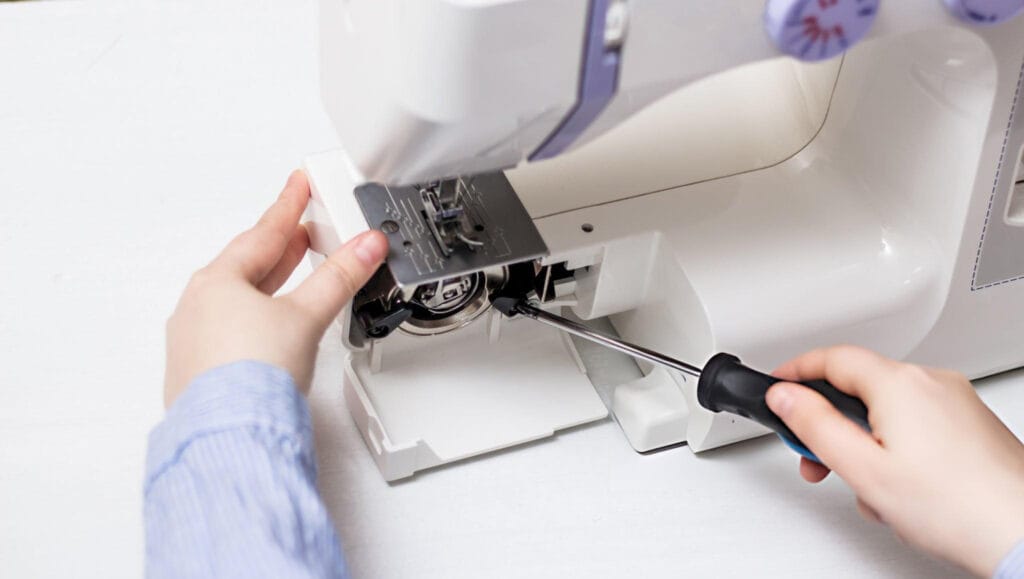
Why is my sewing machine making a clunking noise
Clunking often points to something out of place or out of round: a bobbin problem, a bent needle, or in some cases a worn drive belt. Unplug the machine, change the needle, reinsert the bobbin carefully, and clear lint from the bobbin area. If the clunk continues, check the manual’s troubleshooting section or take the machine to a repair technician. Mechanical machines and computerized models can both clunk for these reasons; the difference is mainly how much of the mechanism you can safely access yourself.
Why is my sewing machine making a grinding noise
Grinding often means something is catching where it should move freely. A common cause is a scrap of fabric or a nest of thread tangled under the needle plate or around the bobbin. Remove the plate if your manual allows it, clear the debris, and reassemble carefully. Grinding can also mean the machine needs oil or general maintenance. Follow the lubrication guidance in your manual; many modern computerized machines use sealed bearings and should not be oiled the same way older mechanical models are. If grinding continues after cleaning, stop using the machine and have it serviced. Continuing to sew through a grind can worsen damage.
Why is my sewing machine making a clicking noise
Clicking is often tied to the needle, thread path, or bobbin area. Check for a bent or dull needle, incorrect needle insertion, a bobbin that is not seated, or thread catching on a rough spot. Lint or a small scrap caught near the feed dogs can also click once per stitch. Re-thread from scratch, insert a fresh needle, and clean the bobbin area before assuming a deeper mechanical fault.
Why is my sewing machine making a banging noise
Banging usually suggests parts are hitting or working against friction they should not have. Poor lubrication on oilable machines, loose accessories, or worn internal components can all create a hard, rhythmic bang. Confirm the presser foot and needle are installed correctly, then clean and maintain according to the manual. Persistent banging after basic checks is a good reason for professional service rather than continued sewing.
Why is my sewing machine making so much noise
A generally loud machine is often overdue for cleaning and lubrication, or it may have worn parts that increase friction. Compare the sound to how the machine sounded when it was healthy if you can. A gradual increase in noise after heavy use or long storage often improves with lint removal, correct oiling (when applicable), and a service visit. A sudden jump in volume is more concerning and should be treated as a stop-and-check warning.
Why is my sewing machine making a high pitched noise?
High-pitched sounds can come from dry moving parts, thread catching and releasing under strain, or components that are worn. On oilable machines, follow the manual’s oiling points carefully. Also check for thread snags in the tension path or bobbin area. Timing problems can contribute to odd sounds as well, but timing is not a home adjustment for most sewists. If cleaning and basic maintenance do not help, a repair shop can diagnose whether the issue is lubrication, wear, or timing.
Why is my sewing machine making a buzzing sound?
Buzzing can come from a dull or bent needle, a bobbin issue, or the motor working harder than it should because something is binding. Timing problems and other internal faults are also possible. Start with a new needle, clean threading, and a correctly inserted bobbin. If the buzz remains, especially with little or no needle movement, unplug the machine and seek service. Forcing a buzzing motor can overheat components.
Why is my sewing machine squeaking?
Squeaking is frequently a lubrication issue on machines that require oil. Dry joints and shafts squeak before they seize. Excessively tight thread tension can also make the machine work harder and sound strained. Dirty or sticky feed dogs and a poorly seated bobbin case are other common contributors. If the machine is old or has been unused for months, a thorough cleaning and professional tune-up may be the most efficient fix.
Why is my sewing machine making noise but not moving
Noise without fabric or needle movement often means the machine is trying to run while something is jammed or disconnected from the drive. Check for tangled thread in the bobbin area, a broken or incorrectly installed needle, and incomplete threading. Make sure the machine is not set to a function that prevents sewing (for some computerized models, an error state or locked presser foot sensor can stop motion). If the motor hums or buzzes but nothing turns, stop immediately and consult the manual or a technician. Continuing can burn out the motor or strip gears.
How do I reduce the noise of my sewing machine?
There is no single fix that quiets every machine, but these checks solve many everyday noise problems:
- Confirm lubrication is adequate for your model. Use only the oil type and oiling points listed in the manual. Skip oiling sealed or “no oil needed” computerized machines unless the manufacturer says otherwise.
- Check that thread tension is not excessively tight. Over-tight tension makes the machine work harder and can amplify noise.
- Clean the feed dogs and make sure they move freely. Lint packed around the dogs can create scraping and clicking sounds.
- Seat the bobbin and bobbin case correctly. A bobbin that is loose, upside down, or partially inserted is a frequent noise source.
- If the machine is older or has been unused for a long time, schedule a tune-up with a reputable sewing machine repair shop. Professional cleaning reaches places home maintenance often misses.
Regular maintenance is the best long-term way to keep noise down and catch small problems before they become expensive ones. Clean lint often, oil only as directed, change needles regularly, and treat sudden new sounds as a reason to stop and check rather than sew through them.