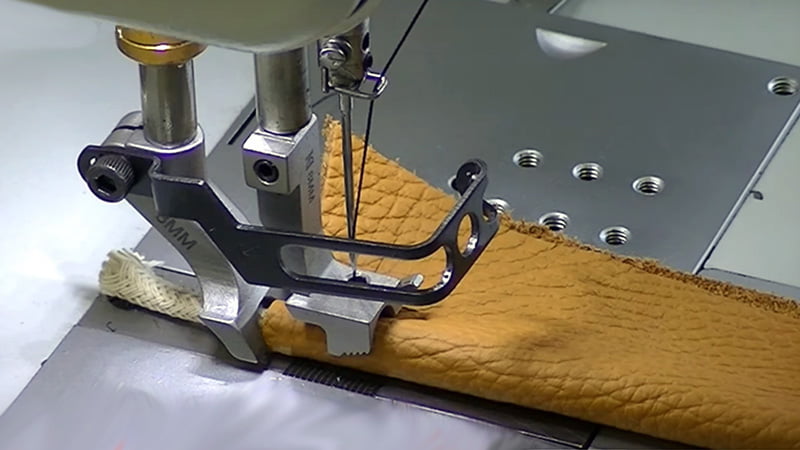
Leather is one of the most rewarding materials to sew. Bags, jackets, belts, wallets, and furniture repairs all benefit from its strength and finish. That same density also makes leather demanding. If your machine, needles, and presser feet are not suited to the job, you will fight skipped stitches, broken needles, and uneven feeding.
This guide covers the best sewing machines for leather and upholstery work in a home or small workshop setting. You will learn why leather behaves differently from woven fabric, which heavy-duty features matter, and how needles, feet, and thread choices affect the finished result.
With the right setup and some practice on scraps, sewing leather at home becomes much more manageable. Once feeding and tension are under control, the material is satisfying to work with.
My Recommendations for the Best Sewing Machine for Leather Upholstery
| Preview | 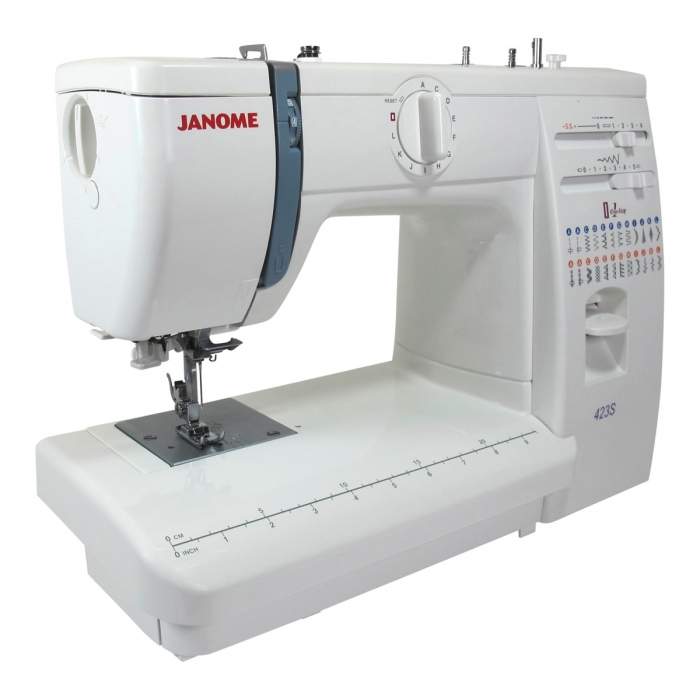 | 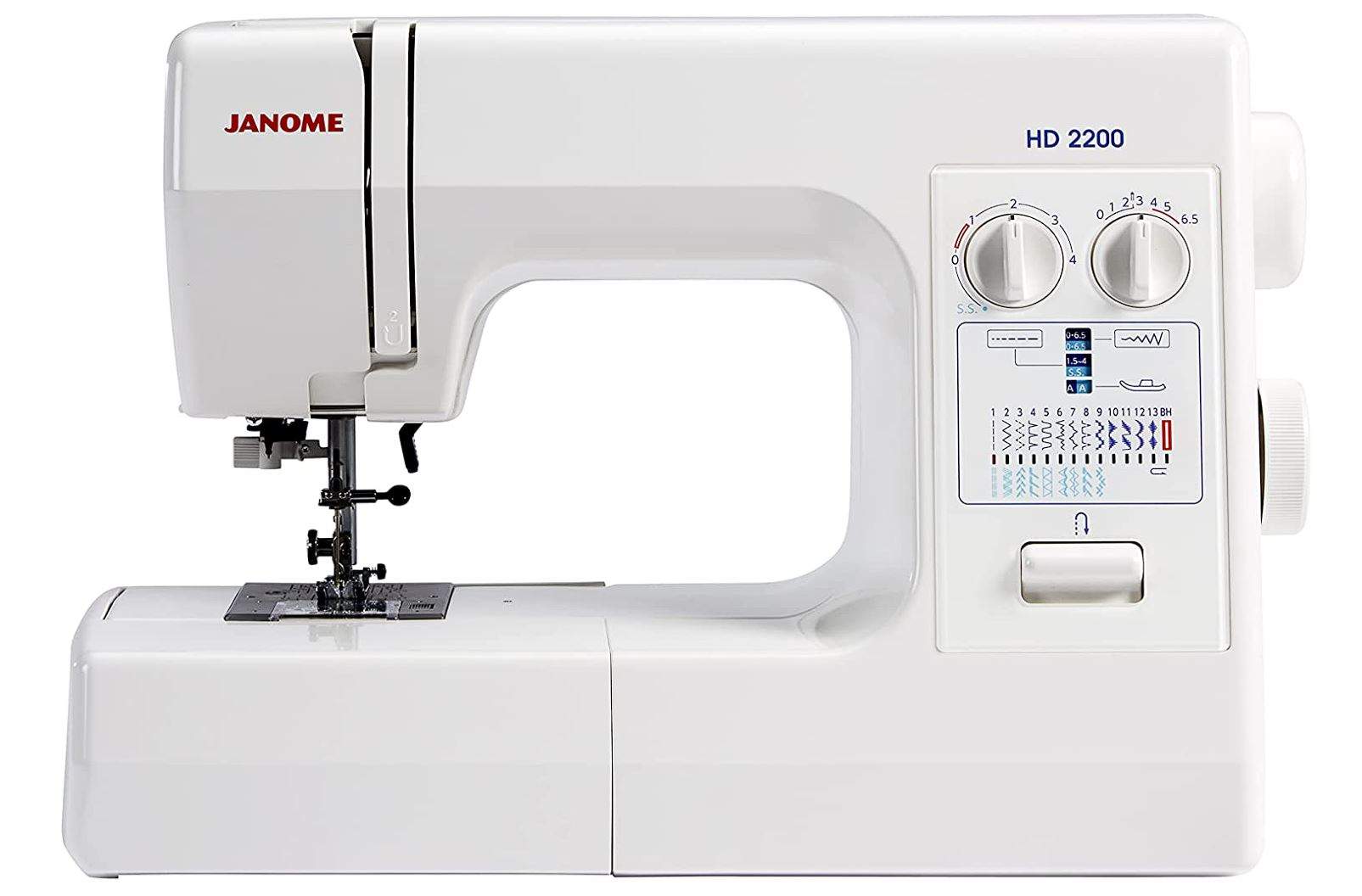 | 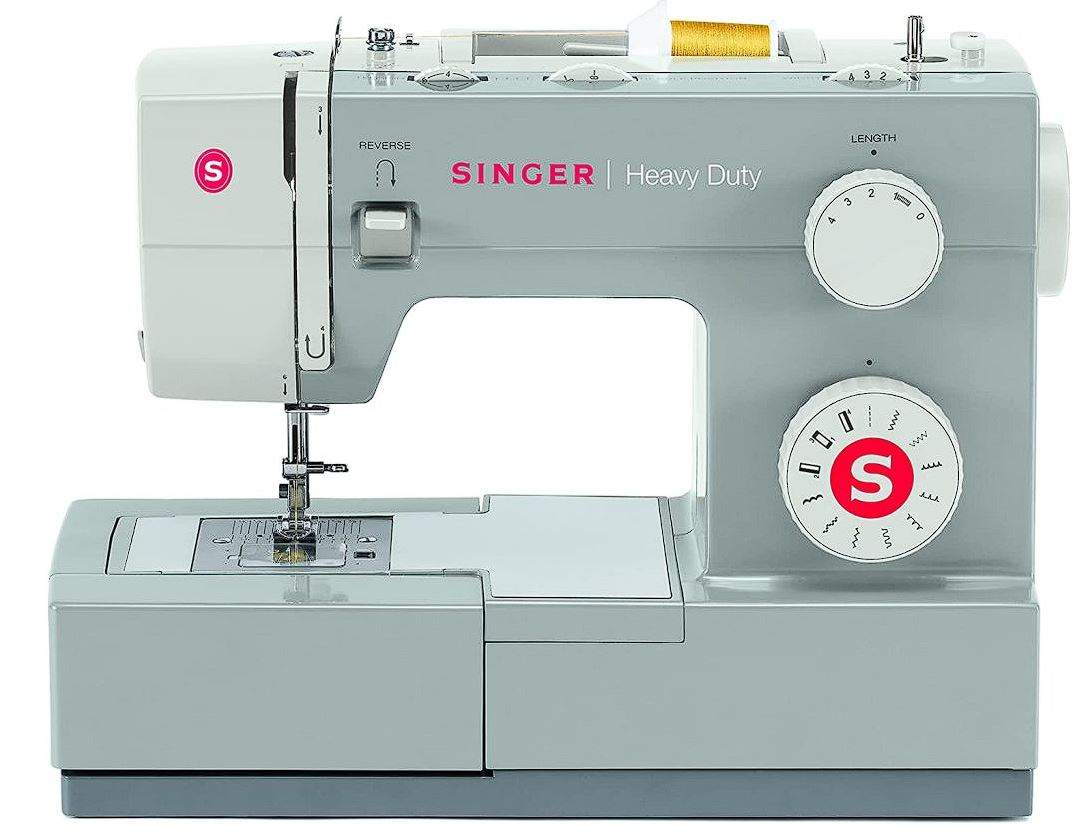 | 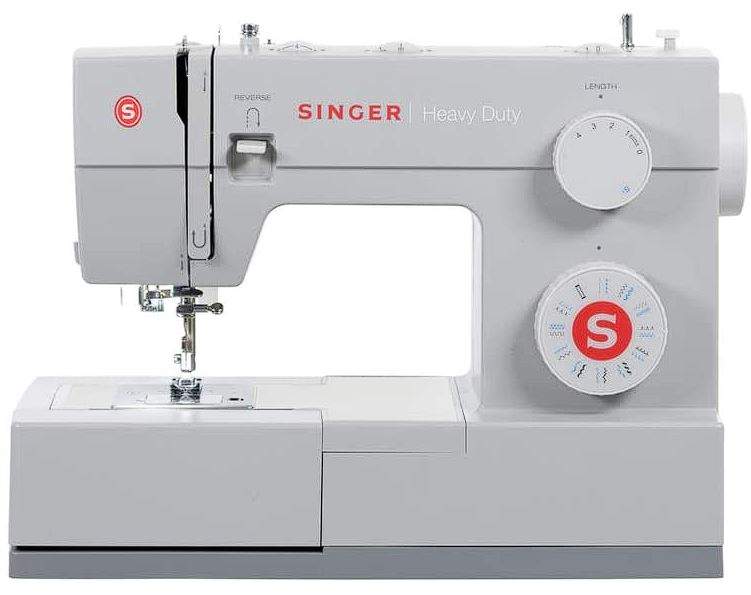 |
|---|---|---|---|---|
| Model | Janome 423S Sewing Machine | Janome HD2200 Sewing Machine | Singer 4411 Heavy Duty Sewing Machine | Singer Heavy Duty 4423 Sewing Machine |
| Stitches | 23 | 22 | 11 | 23 |
| Needle Threader | ✔️ | ✔️ | ✔️ | ✔️ |
| Presser Feet Included | All Purpose Foot, Buttonhole Foot, Zipper Foot, Hemmer Foot | All-Purpose Foot, Buttonhole Foot, Zipper Foot, Blind Hem Stitch Foot, Auto Sliding Buttonhole Foot, Satin Stitch Foot, Overedge Foot | All Purpose Foot, Buttonhole Foot, Zipper Foot, Button Sewing Foot | All Purpose Foot, Buttonhole Foot, Zipper Foot, Button Sewing Foot |
| Price |
Why is Sewing with Leather Different?
Leather does not behave like most fabrics. That is part of the appeal, and also why it needs a different approach:
- Structure – Leather is dense rather than woven from yarns. Needle holes are permanent and visible, so placement matters. The upside is that edges do not fray like fabric.
- Size – Leather is often about 1 mm to 3 mm thick, and a full hide can be large (limited by the animal it came from). See this resource for more on leather sizes and weights.
- Natural Product – Real leather includes natural marks and variation. Some add character; others you will want to cut around. Plan your layout before you cut.
- Friction – Leather can feel sticky against a standard presser foot and needle plate, which makes even feeding harder.
- Cost – Leather is expensive. A full hide can cost a significant amount, so measuring twice and testing on scraps first is worth the time. Check current hide prices where you shop.
Faux leather can be a practical substitute for some projects. It is often cheaper, easier to clean, and free of natural blemishes. It is usually less durable than real leather, and it will not have the same feel or smell. Choose based on the project, not just the look.
Choosing a Suitable Sewing Machine
Most household sewing machines are not built for leather. Push them too hard and you risk broken needles, skipped stitches, and unnecessary wear on the machine.
Industrial sewing machines are the strongest option for leather. They provide the power and stability for consistent stitches through thick materials. They are also expensive, heavy, and often impractical for a typical home setup.
That is why heavy-duty domestic sewing machines are the best compromise for many sewists. They can handle thin to medium-weight leather, take up less space than industrial units, and stay more affordable for home use. They are not a substitute for a true industrial machine on very thick or laminated leather stacks.
What You Need for Working with Leather
Use this checklist when choosing a heavy-duty sewing machine for leather projects:
- Powerful Motor – You need enough power for multiple layers. Many lightweight computerized machines prioritize convenience over punch, so a sturdy mechanical heavy-duty model is usually the better leather choice.
- Sturdy Machine – Avoid lightweight plastic-bodied machines that vibrate and shift under load. Look for a metal frame and solid weight so the machine stays planted.
- Leather Needles – Correct needles matter as much as motor power. More on this below.
- Suitable Presser Feet – Non-stick, roller, or walking feet help manage leather’s surface friction. The right foot often improves results more than people expect.
- Suitable Thread – Lightweight thread is not enough. Many leatherworkers use a strong nylon thread in a suitable thickness. Always test combinations on scraps before cutting into your good material.
These two extras are also helpful:
- Adjustable Presser Foot Pressure – Fine-tunes feeding so leather neither slips nor gets crushed.
- High Presser Foot Lift – Makes it easier to slide thicker layers under the foot.
More About Leather Needles
Using the right needles is step one for leather work. The wrong point style will fight the material and leave poor holes.
On woven or knit fabrics, a needle usually parts the yarns rather than cutting them. Spear-point or ball-point needles are designed for that.
Leather is not made of yarns, so the needle needs to slice cleanly through the material. Leather needles use a wedge point (cutting point) for that job.
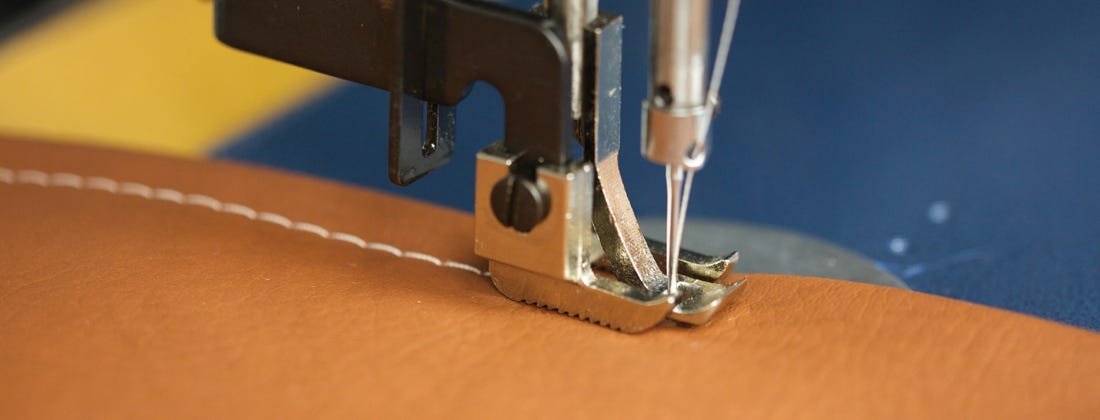
A standard needle can break quickly in thick leather. A leather needle cuts more cleanly, but still watch for dulling and change needles more often than you might on fabric.
Needle size matters too. A 90/14 or 100/16 is a common starting range, but every hole is permanent. Avoid going larger than you need.
For more detail, see our guide to sewing machine needles.
Choosing the Right Presser Foot
Leather’s sticky surface can drag against a standard foot and plate, which leads to uneven stitch length. Choosing the right foot makes feeding much easier:
- Teflon/Silicone/Non-Stick Presser Foot – A slick sole helps leather glide instead of sticking. These feet are usually inexpensive and worth keeping on hand.
- Roller Presser Foot – Textured rollers help move difficult materials through the machine. Useful on leather and other sticky or bulky surfaces.
- Walking Foot – When you are sewing multiple layers, a walking foot feeds from the top while the feed dogs work from below. That reduces shifting and helps keep seams even.
Some sewists also report success putting a strip of clear tape on the bottom of an all-purpose foot in a pinch. We have not tested that ourselves, but it is a low-cost experiment on scrap if you are stuck. Tell us in the comments if it works for you.
If you are still learning machine basics, our beginner sewing machine guide covers presser feet in more detail.
Projects To Get You Started
If you are new to leather, start with a simple tutorial and scrap pieces before committing to a full hide. If upholstery is your main goal, also read our guide to sewing machines for upholstery.
Recommended Heavy Duty Sewing Machines for Leather
These four heavy-duty domestic machines are practical options for thin to medium leather work at home. Check current pricing and availability in the product boxes below.
Janome 423S
The Janome 423S is a robust mechanical machine with a metal frame that stays more stable under thicker materials than lightweight plastic-bodied models.
It offers 24 stitches, including a 1-step buttonhole, plus adjustable presser foot pressure for fine-tuning leather feed.
Other practical extras include a hard cover and a built-in needle threader.

Janome HD2200
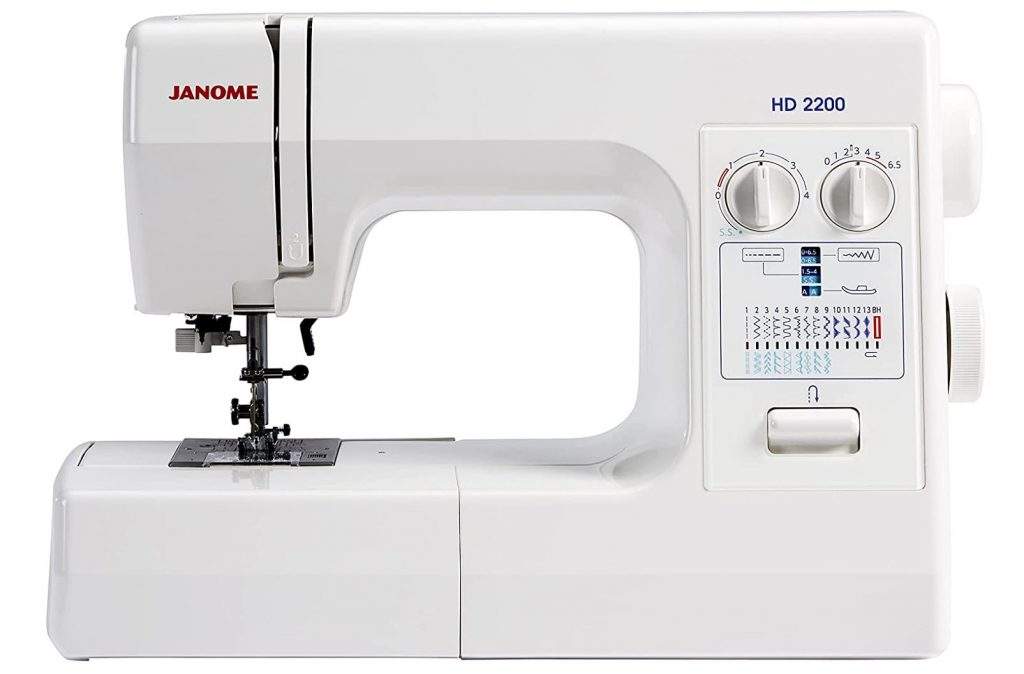
The Janome HD2200 shares several strengths with the 423S: a sturdy metal frame, adjustable presser foot pressure, and a needle threader. It has 22 stitches.
Where it pulls ahead is power. The HD2200 generally feels stronger through thicker work, though it usually costs more. Read my detailed review of the Janome HD2200.

Singer Heavy Duty 4411
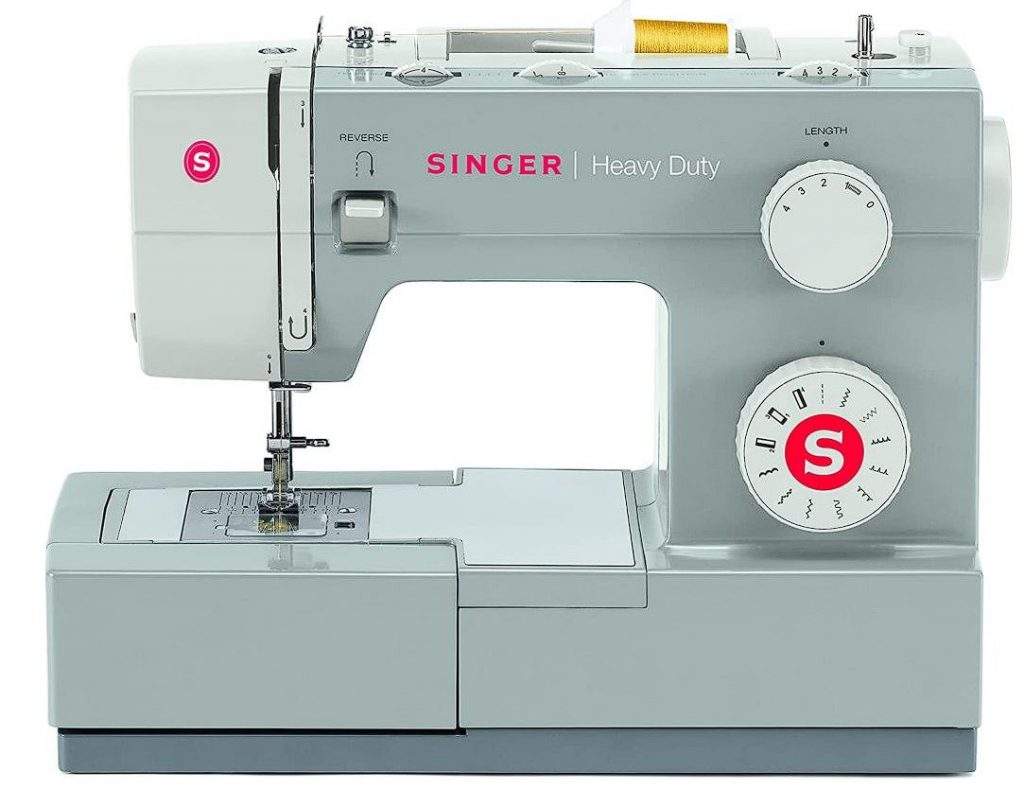
The Singer Heavy Duty 4411 is a proven workhorse with good power for heavy fabrics and lighter leather projects.
It only has 11 stitches, which can look limited next to the Janome options. For leather, that is less of a problem than it sounds. Most leather sewing is straight stitch work, so decorative stitch counts matter less here.
If you want more stitch variety in a similar platform, look at the 4423 below.

Singer Heavy Duty 4423
The Singer Heavy Duty 4423 is closely related to the 4411, but it expands to 23 stitches (mostly stretch and decorative options). It also adds an automatic needle threader, which the 4411 does not have.

Tips for Working with Leather
A few practical habits make leather sewing much less stressful:
- Measure twice before you cut. Mistakes are expensive.
- Watch thread tension closely. Uneven stitches are often a tension issue. Perfect settings on scraps first.
- Use longer stitches on leather. Short stitches perforate the material more densely and can weaken the seam line.
- Practice on scrap bundles before buying a full hide. Small pieces are cheaper and good enough for learning.
- On some projects, hammering seams with a rubber mallet helps set them flat for a cleaner finish.
- Do not use pins. They leave permanent holes. Use clips, double-sided tape, or leather glue instead. Clips are usually the cleanest option. Paperclips can work in a pinch.
- Mark with a leather marking pen or chalk so guidelines do not scar the surface.
- Sew slowly at first. Leather rewards control more than speed.
That covers the essentials. If you have questions or tips from your own leather projects, leave a comment below.