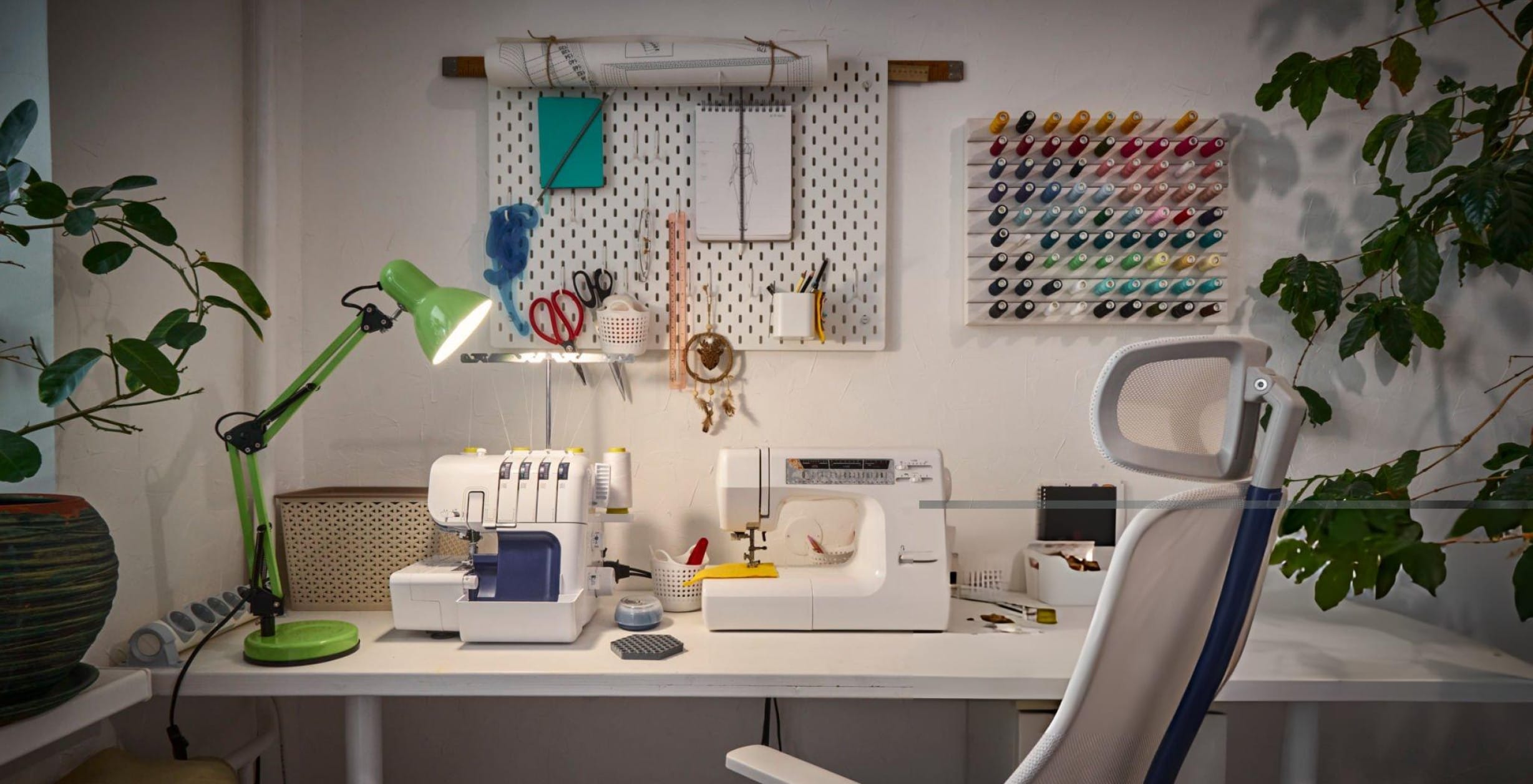
A sewing table gives you a dedicated, stable surface for your machine and a better place to keep tools nearby. Compared with a kitchen table, a purpose-built sewing table usually offers a flatter work area, more room to guide fabric, and storage that keeps scissors, thread, and notions organized. That setup can reduce fatigue and make longer sewing sessions more comfortable. For product recommendations, see Best Sewing Tables and Desks.
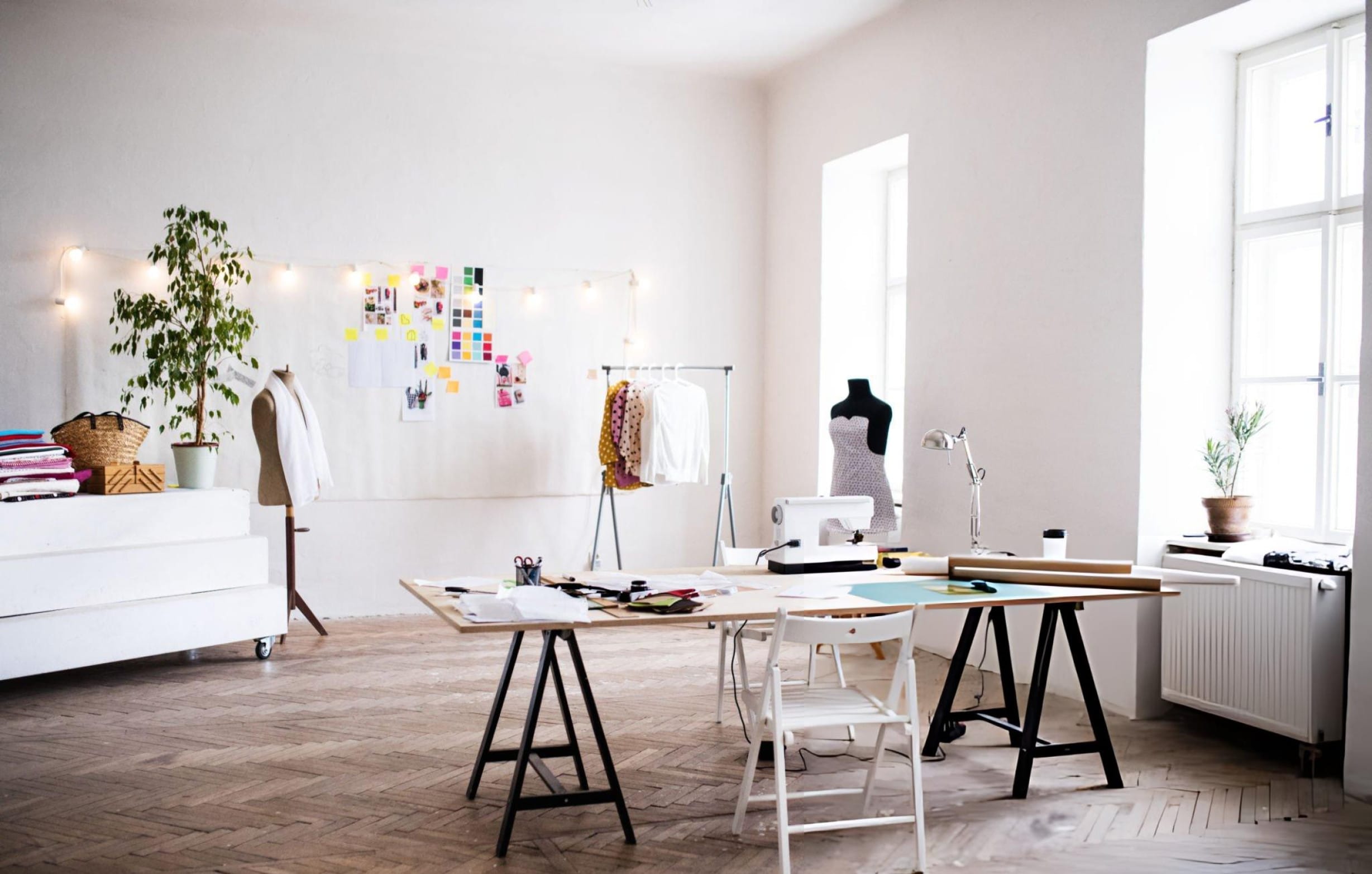
What is a sewing table
A sewing table is furniture designed for sewing and related craft work. It typically has a flat top large enough for a sewing machine, plus drawers, shelves, or open storage for supplies. Some models add useful extras such as an adjustable machine platform, drop leaves, casters, or height adjustment. Cabinets with lifts and doors are closely related, but open sewing tables and desks focus more on surface and access than full concealment.
What types of sewing tables are there
The right type depends on how often you sew, how much space you have, and whether the table stays set up full time. Common designs include folding tables, portable tables, and height-adjustable sewing tables. Folding tables store easily between projects. Portable tables move from room to room more readily. Height-adjustable models help if you prefer to stand for cutting and sit for sewing, or if more than one person shares the station.
Do you need a special table for a sewing machine
You do not need a branded sewing table to sew, but a table designed for sewing is usually a better long-term choice than a soft dining table or a wobbly craft cart. A good sewing table should be firm and level so the machine does not bounce, with enough surface around the machine to support fabric. Many models include a lip, edge, or larger surrounding surface that helps keep fabric from falling away as you sew. Drawers or shelves keep tools closer and reduce the chance of losing small notions. The biggest practical benefit is stability: a solid platform protects the machine and makes stitch control easier than sewing on an unstable surface.
How does a sewing table work
You place the sewing machine on the table, sit at a compatible height, and use the flat surface to support and guide fabric through the machine. Storage drawers or shelves hold thread, scissors, patterns, and accessories nearby. Some tables include an adjustable platform so the machine bed can sit closer to flush with the tabletop, which improves fabric handling. Features vary by model: lighting, leaves, casters, and height adjustment are common upgrades, not requirements.
Are sewing machine tables universal
No. Machines differ in footprint, free-arm shape, and weight, so a table built around one size range may not suit another. Choose a table with a platform or opening that matches your machine, enough surrounding surface for your usual projects, and a weight rating with margin to spare. Some tables are adaptable through adjustable platforms or removable inserts. Even then, check current dimensions rather than assuming any domestic machine will fit.
Can any sewing machine fit in a sewing table
Most sewing tables are designed for a range of standard domestic machines, but oversized embroidery machines, very heavy models, or unusually tall machines may not sit correctly. Compare the table’s platform size, opening, and weight capacity with your machine’s measurements. Adjustable platforms and removable inserts can improve fit for different heights, but they do not make a table truly universal.
How high should a sewing table be
Ideal height depends on your body, chair, and whether you sew sitting or standing. For seated sewing, many people aim for a surface that lets the feet rest flat and the forearms stay roughly level with the work, often with elbows near a right angle. A common sitting range falls around 29 to 30 inches, though comfort varies. Tall or short sewists, or anyone using a thick cushioned chair, may need a different height.
What is the best height for a sewing table
There is no one best height for everyone. Many sitting sewing tables fall somewhere between about 28 and 36 inches, and adjustable tables help you fine-tune that range. Match table height to your chair so you are not hunching toward the needle or raising your shoulders. If you are tall, a higher surface or taller chair combination may feel better. If you are shorter, a lower table or an adjustable setup can reduce strain. Test the combination of table and chair together when you can, because chair height changes the equation as much as table height.
Where to buy a sewing machine table
Sewing tables are sold through craft stores, sewing machine dealers, furniture retailers, and online shops. Common places to look include:
- Craft stores such as Michaels and Joann, which often carry a mix of sewing and craft tables at different price points.
- Sewing machine dealers and brand shops, including some Singer and Bernina retailers, which may stock tables sized for popular machines. Selection varies by dealer.
- Online retailers such as Amazon and Walmart, where you can compare dimensions, weight capacity, and reviews across many models.
- Furniture stores such as IKEA and Ashley Furniture. Some home-office desks work for light sewing if they are sturdy enough, but they may lack a machine platform or sewing-specific storage.
- Specialty sewing furniture sellers, which often offer more cabinet-style and adjustable options plus better advice on machine fit.
What is a double sewing machine table
A double sewing machine table is built to hold two machines at once. Sewists use them when they keep a regular sewing machine and a serger side by side, or when different projects call for different machines without constant packing and unpacking. These tables usually provide two distinct work areas, often with raised edges or enough surrounding surface to support fabric at each station. Drawers, shelves, or lighting may be included, but the main point is having two ready machines in one workstation.
Benefits of a Double Sewing Machine Table
The main benefit is convenience: both machines can stay threaded and ready, which saves setup time on busy sewing days. A larger combined surface also helps with tools, patterns, and fabric handling between stations. Some double tables add storage or height adjustment. The tradeoffs are footprint and cost. These tables take more room than a single station and make less sense if you only own one machine or sew occasionally.
What is the best sewing table?
The best sewing table is the one that fits your machine, room, and sewing habits. For current picks, see Best Sewing Tables and Desks. When you compare options, weigh these points:
- Size: tables range from compact folding models to large fixed stations. Match the footprint to your room and the surface size to your usual projects.
- Features: drawers, shelves, lighting, casters, drop leaves, and height adjustment all help, but only if you will use them. Skip extras that eat budget without solving a real problem.
- Machine compatibility: confirm platform size, opening, and weight capacity for your machine. Stability matters more than looks.
- Budget: sewing tables can start around the low hundreds and climb much higher for larger cabinets or adjustable desks. Soft price ranges vary by retailer and year, so compare current listings.
- Brand support and reviews: look for clear specs, reasonable assembly instructions, and recent owner feedback about wobble, drawer quality, and durability.
- Real-world fit: if possible, sit at a similar height with your chair before buying. Comfort comes from the table and chair together.
In the end, choose a table that supports your machine safely, fits the space you have, and makes your usual sewing tasks easier to manage.