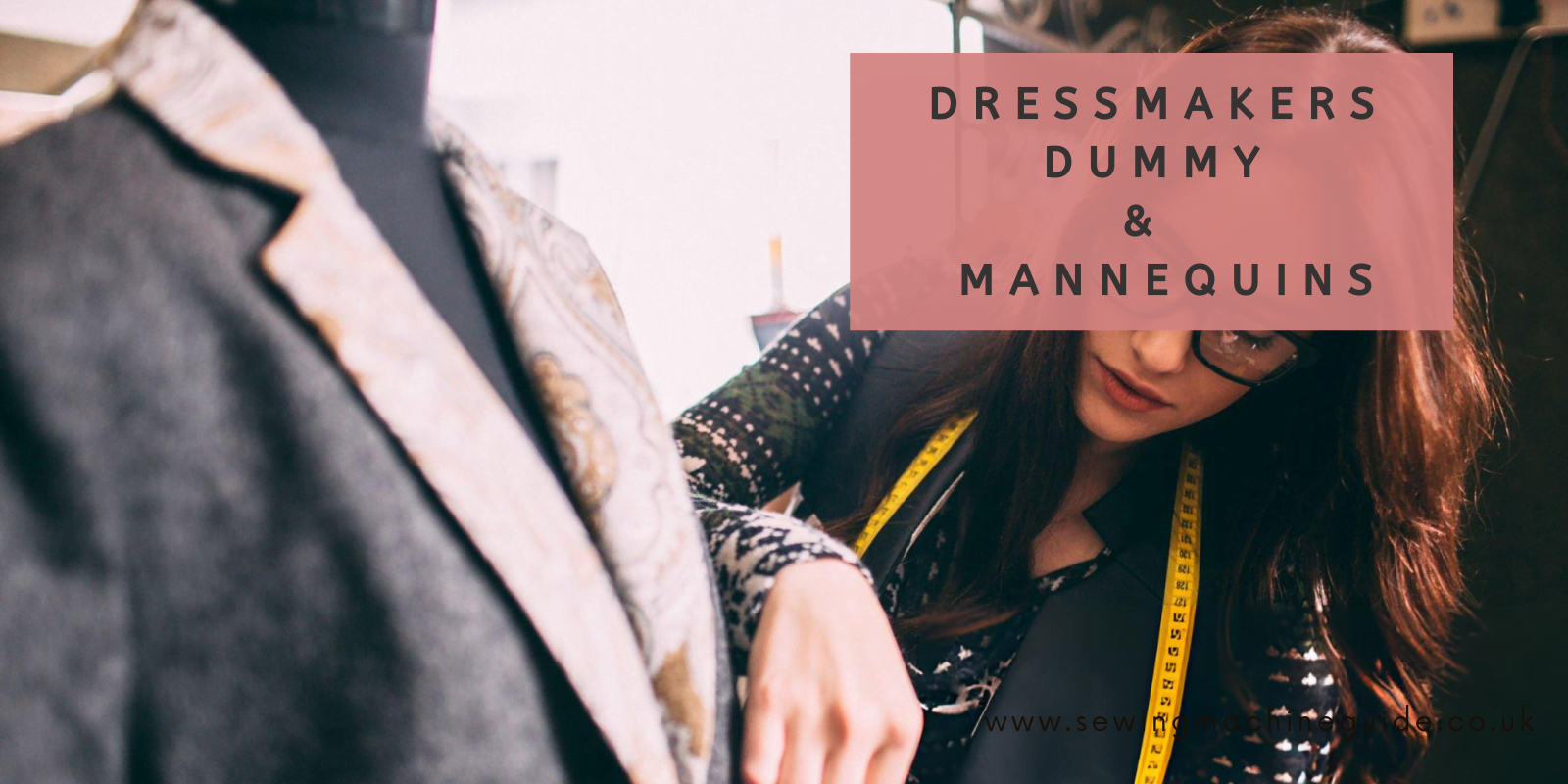
Next to your sewing machine and serger, a dressmaker’s dummy is one of the most useful tools for garment sewing and costume work.
Also called a dress form, tailor’s dummy, or sewing mannequin, it is a three-dimensional model of the human body with defined height, width, and depth. Walk into a design studio and you will usually see several of them in different sizes and shapes for women, men, and children.
| Best Overall | Editor's Choice | Best For Value | |
|---|---|---|---|
| Preview | 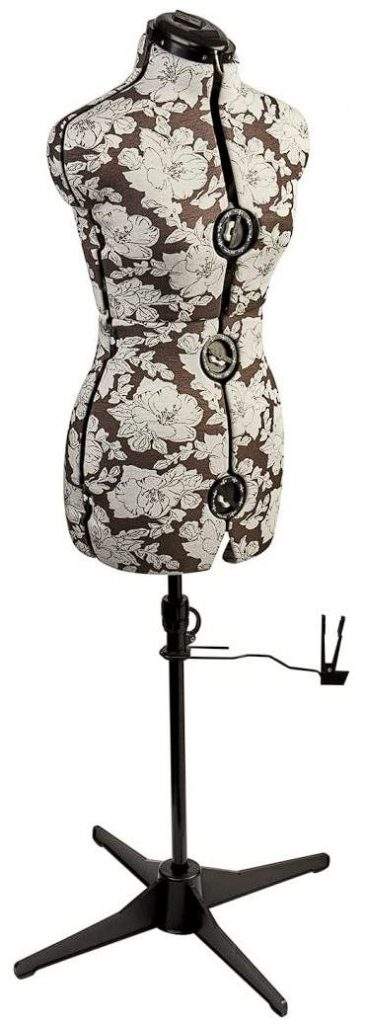 | 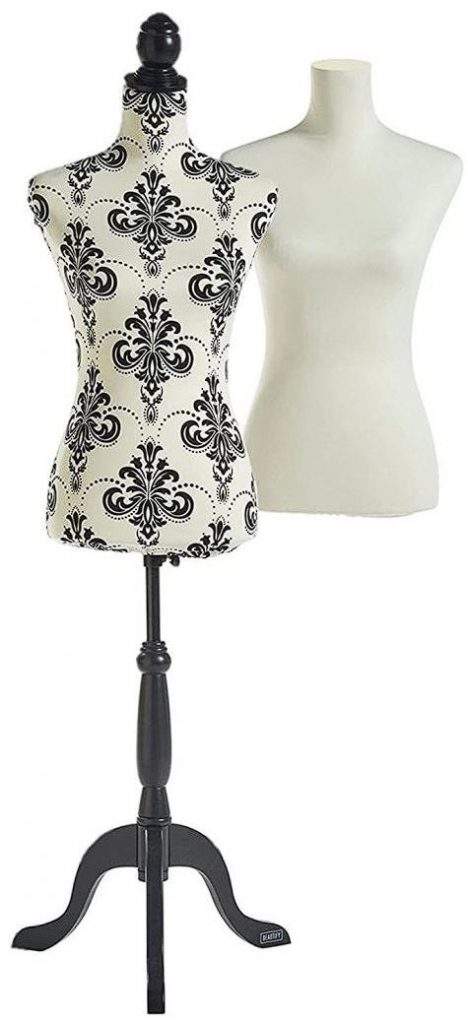 | 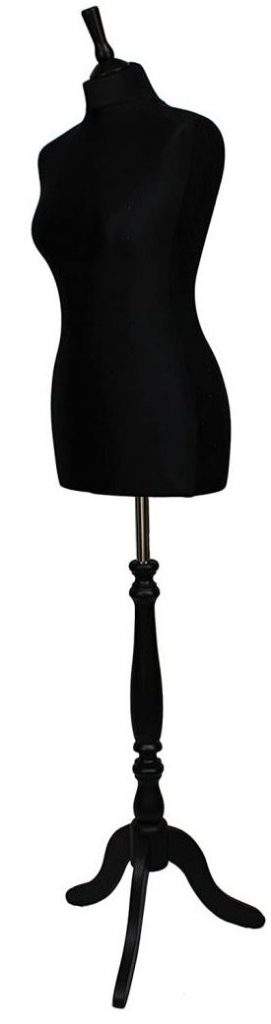 |
| Product | Sewing Online Adjustable Dressmakers Dummy | Beautify Female Dressmaking Dummy | The Shopfitting Shop Female Dressmaking Mannequin |
| Available Sizes | 6 to 20 | 8 to 20 | 8 to 18 |
What Is a Dressmaker’s Dummy Used For?
Designing and sewing clothes is rewarding, but fitting is where a lot of projects go wrong. Flat pattern pieces can look fine on the table and still hang poorly once worn. Pinning a garment to your own body is awkward, and taking the same measurements over and over can still leave you with uneven hems or a bad side seam. That is why sewists have long relied on dress forms for work like this:
- To drape a toile: A toile (also called a muslin) is a test version of a garment. Fitting it on a dummy that matches the wearer’s size helps you refine shape before you cut into fashion fabric, then transfer those decisions to a paper pattern.
- To check garment fit: Seeing how a piece hangs in the round makes it easier to spot drag lines, gapping, or uneven balance before you sew final seams.
- To mark hemlines: A dress form makes it much easier to level and pin hems on dresses, skirts, and coats while the fabric hangs naturally.
- To display garments: Forms are also useful for photos, showrooms, and finished pieces you want to show off between wearings.
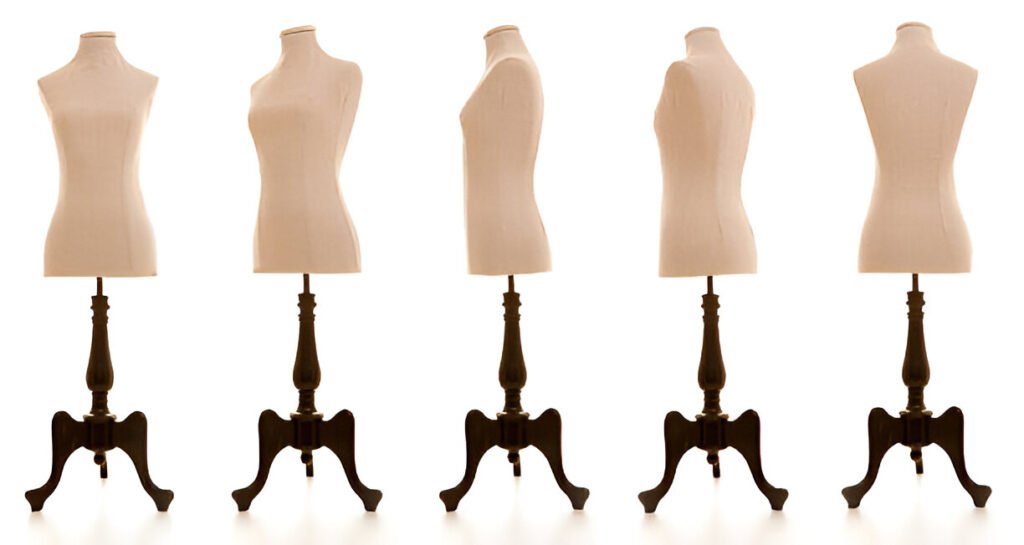
Types of Dressmakers Dummy
Most sewing dress forms are made from polystyrene or a similar core, then covered in fabric you can pin into. Unlike many boutique display mannequins with fashion-forward proportions, sewing forms are meant to follow more realistic body measurements. Broadly, they fall into three groups:
Fixed-Shape or Display Dressmakers Dummy
This is often the entry point for beginners and students. Nothing on a fixed-shape form dials in or out. Measurements are typically based on standard sizes, so if you need a larger bust, waist, or hip, you pad the form with felt strips or foam. Fixed forms work for draping and fitting when the size is close enough, and they are also handy for displaying finished clothes in a studio, for photos, or for fashion blogging.
The tradeoff is flexibility. If you sew for more than one body size, or if your own measurements change, a fixed form means padding, a second form, or living with a less accurate fit check.
Adjustable Dressmakers Dummy
Adjustable forms use dials or adjustment points so you can change bust, waist, hip, and sometimes neck size. That makes them more useful if you sew for yourself over time, for clients with different measurements, or for family members who do not share one size. Setup takes a little longer than a fixed form, and the joints and dials need careful handling, but the ability to resize is the main reason many home sewists prefer them.
Professional Dressmakers Dummy
Professional dress forms sit at the higher end of the market. They are built for detailed garment work where finish and accuracy matter, including couture-style fitting. They are usually not dial-adjustable in the same way as hobby adjustable forms. Instead, they tend to be firmly pinnable and may include detachable arms or legs for sleeve and pant fitting.
Expect a higher price and a larger footprint. For most home sewists, a good adjustable or well-matched fixed form is enough. A professional form makes more sense if fitting is a major part of your work and you want a stable, long-term studio tool.
Recommended Dressmakers Dummies
Sewing Online Adjustable Dressmakers Dummy
This adjustable form uses dials at the bust, waist, and hips, plus a neck release for a wider neck measurement. The padded, curved shape is meant to feel closer to a natural female torso than a hard display mannequin, and the floral cover is more decorative than a plain studio form.
It stands on a four-legged base and weighs about 4.46 kg (about 9.8 lb), so it is light enough to move around a sewing room without much effort. Height is adjustable, which helps when you are hemming for someone shorter or want the form at a more comfortable working level. A pin cushion on the neck stump keeps pins close while you drape, and the pin-grip hem marker is useful for leveling hems.
For home sewists who need one form that can cover a range of sizes, this is a practical, mid-priced style of adjustable dummy. The main limitation of any dial form is that adjustments are stepwise and may not match every body perfectly, especially asymmetric figures, so padding can still help for a closer fit.
Female Tailors Dummy (Black)
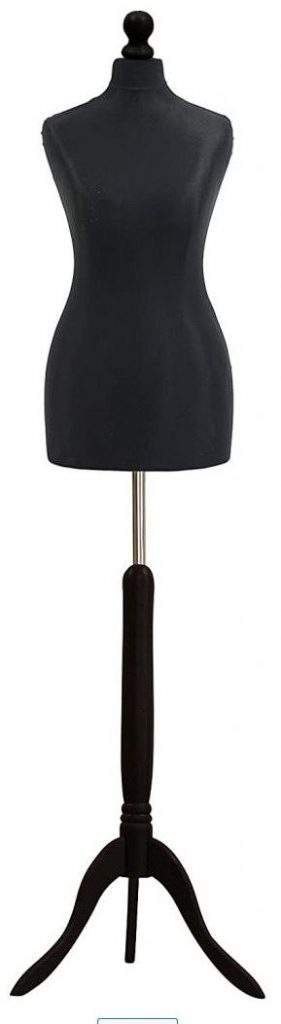
This fixed-shape torso is covered in a soft fabric finish for a more natural look under garments. You cannot change the width, but the height adjusts between about 140 cm and 170 cm (about 55 to 67 in) from base to top, which is helpful for hemming and display at different working heights.
The polystyrene core under fabric is pinnable, so it works for draping, fitting, and displaying clothes for sale or exhibits. Assembly and breakdown are straightforward, and at about 3.5 kg (about 7.7 lb) on a tripod stand it is easy to move. Check the manufacturer’s size chart before you buy. If you need a larger measurement later, you can pad the form, but you cannot shrink a fixed torso that starts too big.
Beautify Female Tailors Dressmaking Mannequin
As a fixed-shape, pinnable dummy, the Beautify Female Tailors Dressmaking Mannequin works for fitting, draping, and display. The white floral cover looks tidy even when the form is not dressed, which is a small plus if it lives in a shared room or studio corner.
Height adjusts between about 140 cm and 170 cm (about 55 to 67 in). Setup is simple, and the wooden tripod stand keeps it stable for everyday pinning and hem marking. It is light enough to move without much hassle.
This is a sensible beginner option if you want a dress form look without paying for a professional studio form. The limitation is the same as any fixed dummy: buy the closest size you can, then pad up if needed. It will not resize itself for multiple clients.
SONGMICS Female Mannequin
If you need a full-size female mannequin for shop display or demonstrations, the SONGMICS Female Mannequin is built more for presentation than for traditional dressmaking. It stands about 5 ft 8 in (about 173 cm) tall and has a natural skin tone with a lightly detailed face, so finished garments tend to read clearly in photos and on the floor.
Nothing on this model is adjustable or pinnable. The head, arms, and legs are detachable for easier dressing, and the head rotates fully and tilts within about 60 degrees. Voluminous clothing hangs better once the form is padded, and shoes or stockings can be shown on the full figure. It sits on a glass base for a clean retail look.
Choose this if display is the goal. For pinning toiles and marking hems, a fabric-covered sewing form is the better tool. Some owners refinish the surface with sanding or paint for a custom look, but that is optional styling, not required for use.
The Shopfitting Shop Female Dressmaking Mannequin
This fixed-shape form is useful when you want proportions that match a stated size rather than a fashion mannequin silhouette. As an example from the listing, the size 16 measures about 38-29-40 in (about 97-74-102 cm) at bust, waist, and hip. Check current size options before you order, since fixed forms only work well when the starting measurements are close.
The polystyrene core makes it suitable for pinning during fittings and draping. You can pad with felt or foam if you need a larger circumference, but you cannot compress or dial any section smaller. Hem marking is straightforward on a stable torso, and the form is light enough to move around a sewing space.
It is a practical budget-friendly dressmaking form if your size matches. If you sew for many different bodies, an adjustable dummy will stretch further before you need a second form.
Final Words
Dressmaker’s dummies exist to stand in for real bodies in different shapes and sizes. Whether you are petite, plus-size, or somewhere in between, the useful form is the one that matches your measurements closely enough for fitting and hemming.
Before you buy, measure yourself (or your client) in the undergarments you usually sew over, then compare those numbers with the manufacturer’s chart. Brands do not all use the same size labels, so the chart matters more than the size number on the box.
If you want one form that can cover several sizes, start with an adjustable model. If you mainly need display, or you already know your exact size, a fixed pinnable form can be enough. And if your priority is retail presentation rather than pinning, choose a display mannequin knowing it will not replace a sewing dress form.