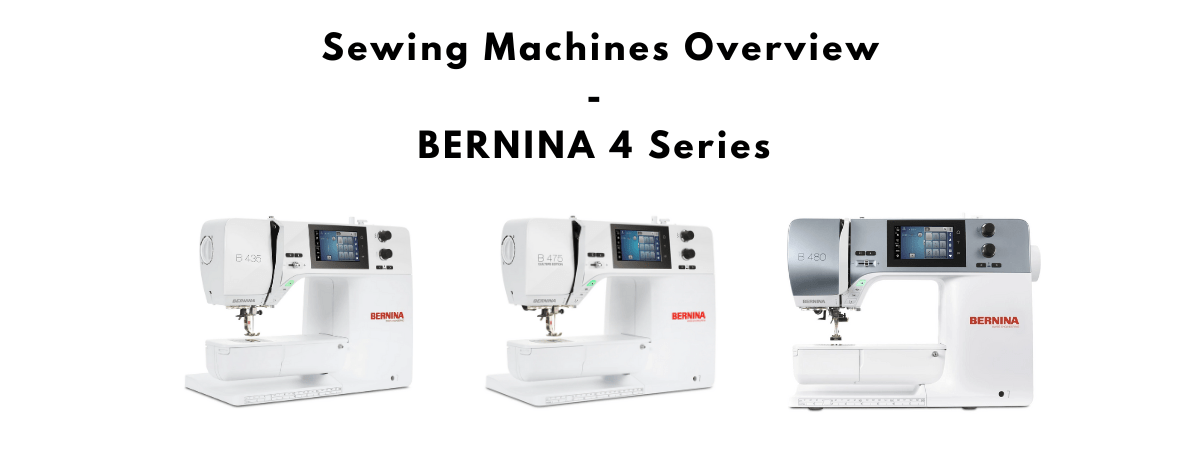
The Bernina 4 Series sits in the mid-to-upper home range: computerized machines with Bernina’s CB or B9 hook system (depending on model), Free Hand System, and enough stitch options for garments, crafts, and quilting. Official specs and current availability are on bernina.com and our Bernina brand page. Soft U.S. pricing for this series often runs from roughly the low $2,000s into the mid $3,000s depending on model, dealer, and package. Below is a practical look at the B435, 475 QE, and 480, plus common buyer questions.


Bernina 4 Series models at a glance
All three machines share the Bernina approach: precise stitch formation, knee-operated Free Hand System (FHS) on these models, and a focus on controlled feeding rather than gimmicks. The ladder is fairly clear. The 435 is the everyday all-rounder with a 5.5 mm stitch width. The 475 QE adds quilting-focused extras, including BSR support. The 480 steps up to a 9 mm width, Dual Feed, more stitches, and an automatic thread cutter.
Bernina 435
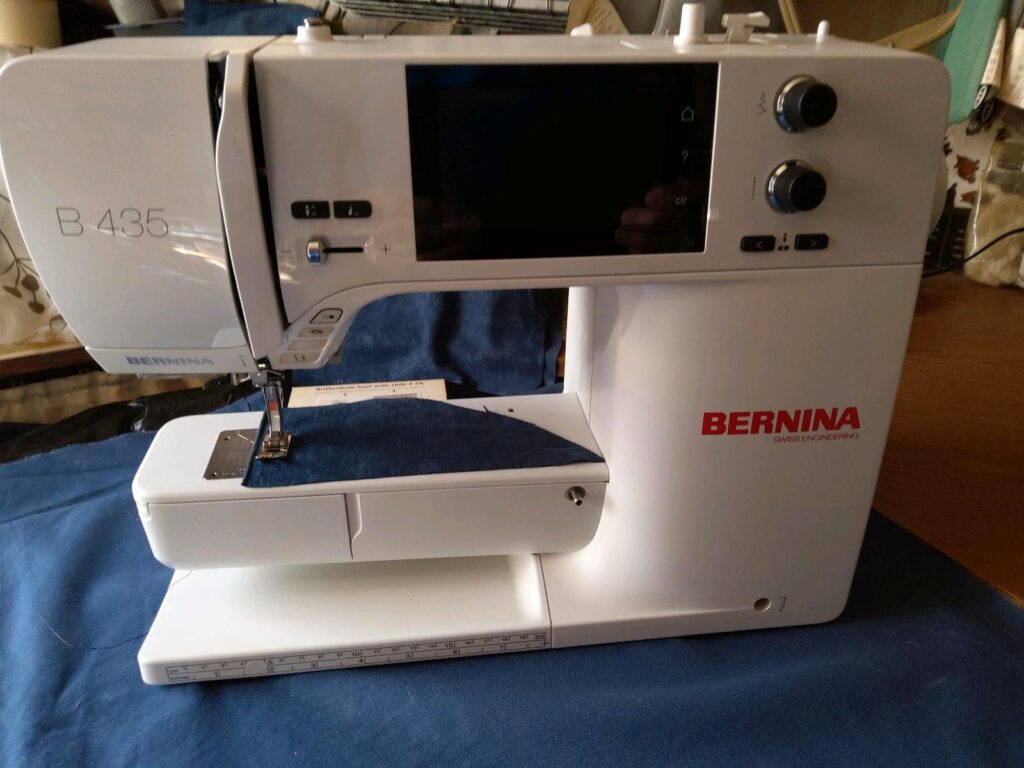
The Bernina 435 suits sewists who want Bernina quality for garments, home sewing, and light quilting without paying for every quilting accessory. Key points:
- About 650 stitch patterns, including utility, decorative, and quilting stitches. Enough variety for most home projects; you will not run out of everyday options.
- 5.5 mm maximum stitch width (about 7/32 in). Fine for standard seams and many decorative stitches, but narrower than the 480’s 9 mm patterns.
- Bernina Free Hand System (FHS): a knee lever raises and lowers the presser foot so both hands stay on the fabric. Useful for pivoting, applique, and quilt turns.
- Semi-automatic needle threader: speeds setup without the complexity of fully automatic systems.
Tradeoff: you do not get Dual Feed or BSR as on higher models, so thick sandwiches and free-motion work need more careful handling or optional accessories.
Bernina 475 QE (Quilter’s Edition)
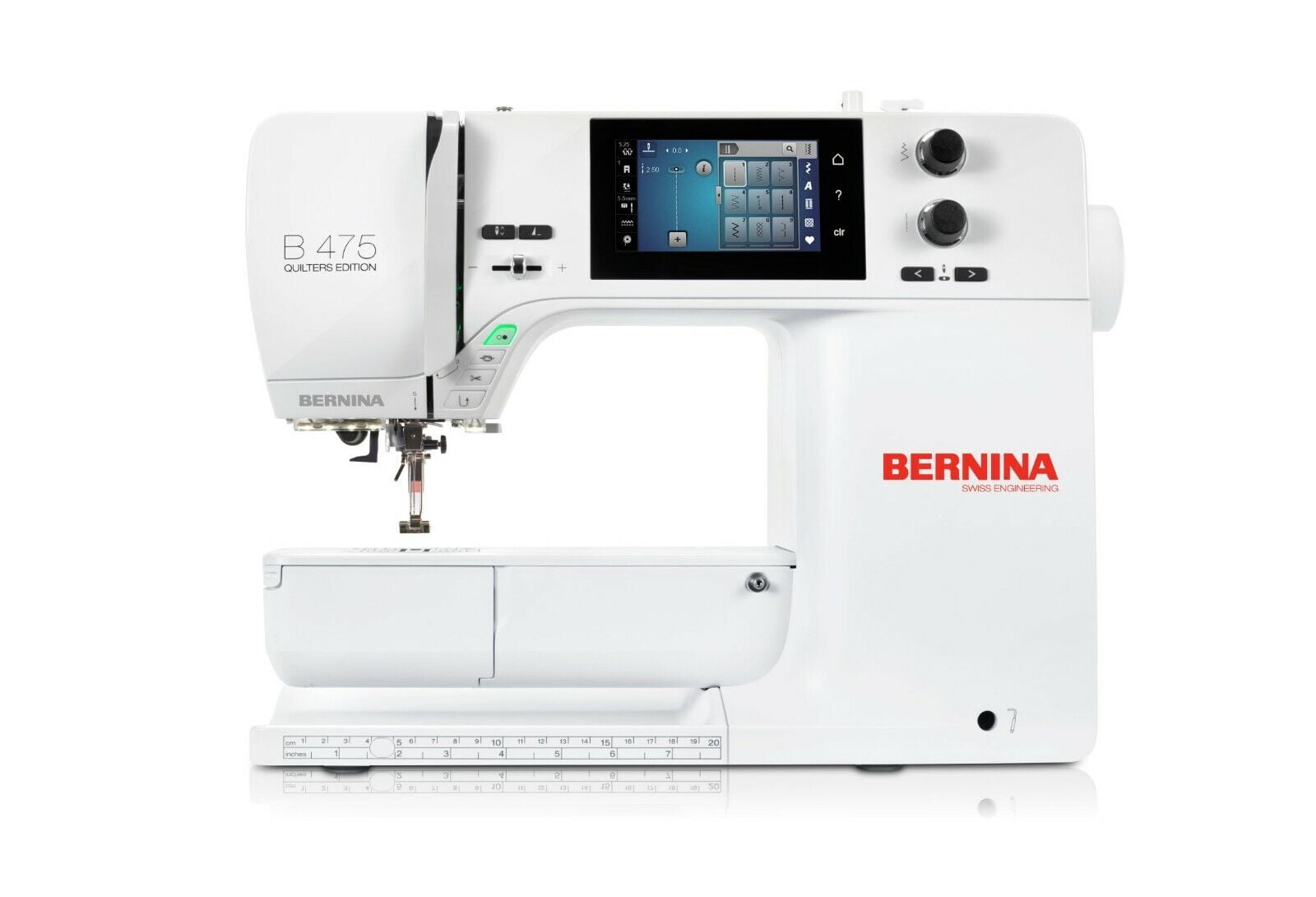
The Bernina 475 QE builds on the 435 with quilting-oriented tools. It still uses the narrower 5.5 mm maximum stitch width, so it is not the decorative-stitch flagship of the series. What you gain:
- Bernina Stitch Regulator (BSR): helps keep free-motion stitch length more consistent when your hand speed changes. Especially helpful if free-motion quilting is new to you.
- Patchwork foot #37: aimed at accurate piecing for quilt blocks.
- Extra quilting stitches beyond the general 435 set, which matters if you quilt often rather than occasionally.
Tradeoff: you pay more for quilting support while keeping the same stitch-width ceiling as the 435. If you want wider decorative stitches and Dual Feed, look at the 480 instead.
Bernina 480
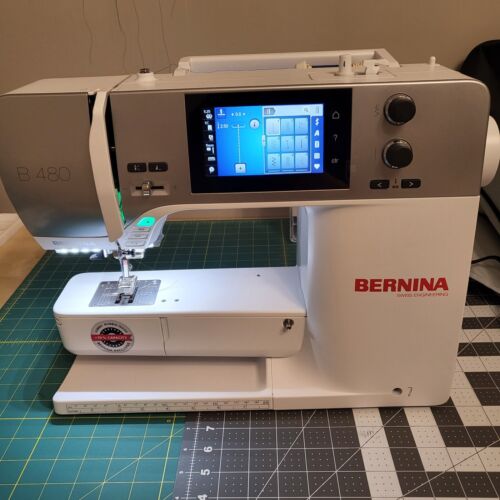
The Bernina 480 is the feature leader in this trio for sewists who want more stitch width and feeding help on layered or slippery fabrics:
- 9 mm maximum stitch width (about 3/8 in): wider satin and decorative stitches than the 435 and 475 QE.
- About 994 stitch patterns: a much larger library if you use decorative stitching often.
- Dual Feed: feeds from above and below, which helps on knits, vinyl, and quilt sandwiches where the top layer can shift.
- Automatic thread cutter: trims needle and bobbin threads at a button press, which adds up on piecing and garment assembly.
Tradeoff: higher price and more machine than you need if your sewing stays simple. Also, Dual Feed and a huge stitch list do not replace good pressing and fabric handling.
Common questions on the Bernina 4 Series
What are the shared strengths of the 4 Series?
Expect a quiet, precise hook system, FHS for hands-free presser foot control, and solid built-in stitch sets. The Bernina Stitch Regulator appears on the 475 QE for free-motion consistency. Controls are clear once you learn the screen layout, though Bernina menus take a session or two if you are coming from a basic machine.
How much do they cost?
In the U.S., soft pricing for 4 Series machines often falls roughly between about $2,000 and $3,500 USD depending on model and dealer promotions. UK street prices have commonly sat around £1,100 to £2,200. Bernina is a long-term purchase; factor in dealer support and feet you may add later, not only the sticker price.
How do they compare with other brands?
Bernina’s strengths are stitch quality, foot ecosystem, and features like FHS and (on some models) BSR and Dual Feed. Competing mid-to-upper machines from Brother, Janome, or Elna can offer more stitches or automation for less money. Buy Bernina when you value that precision and accessory system enough to pay for it, not because the brochure lists more patterns than a rival.
Which model is right for me?
Choose the 435 for general sewing and light quilting on a tighter Bernina budget. Choose the 475 QE if free-motion quilting and piecing accessories are central to how you sew. Choose the 480 if you want 9 mm decorative stitches, Dual Feed, automatic thread cutting, and the largest stitch library in this group. For a smaller Bernina option below this series, see our Series 3 overview (325 and 335).
Summary
The 4 Series is a coherent ladder: 435 for everyday Bernina sewing, 475 QE when quilting tools matter most, and 480 when you want wider stitches, Dual Feed, and more automation. Match the model to the work you do weekly, not to a feature checklist you will rarely use. Soft U.S. pricing and dealer demos are worth checking before you commit, especially if BSR or Dual Feed is the reason you are stepping up.